
Introduction
Watching March Madness each year was a tradition for my mother and me. I was excited because she kept up with each college basketball team and made her own brackets of who she thought would win the NCAA Men’s and Women’s Basketball titles. The Duke University Blue Devils, under Coach K., was my mother’s favorite men’s college basketball team, and the Tennessee Volunteers, with the late Ms. Pat Summit, was her favorite women’s team. I learned so much about sports by watching them on television with her. I remember watching Serena and Venus Williams early in their careers break records in women’s tennis, and quarterback Peyton Manning with the Indianapolis Colts, under Coach Dungy, in pro football. The Colts were my mother’s favorite NFL team. I remember seeing Tiger Woods win the Masters for the first time, and Michael Jordan shoot the game-winning shot in the 1992 NBA Finals. We cheered with excitement. These events shaped my whole idea of sports and the skills that athletes learn over time as they develop, conditioning their mind, body, spirit and heart as they compete for years to reach their championship goals.
Core Athletic Mental and Physical Conditioning
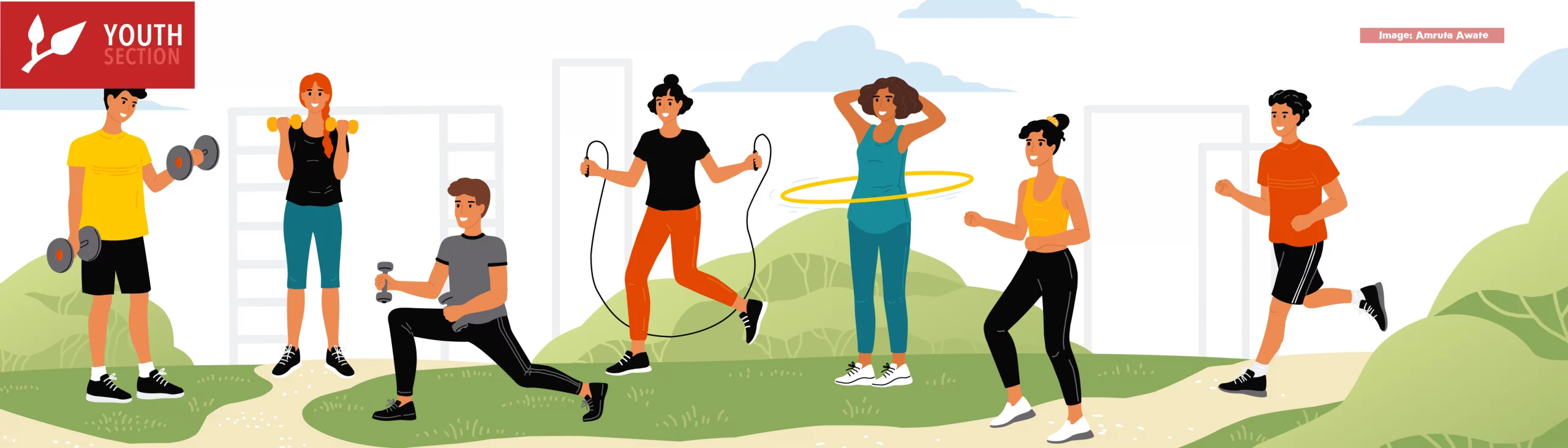
Many children begin their athletic careers very young. For example, they begin learning basketball through practicing how to run and dribble with the ball at the same time, how to block, how to assist, and how to shoot correctly. The mental conditioning begins with the child believing they can get better and better with more practice and then trying out for the team. The physical conditioning begins with the child learning how to exercise by jogging, running, jumping and shooting the basketball each day, eating healthy, training their body to withstand a 40- to 60-minute game, where they have to know they can win and not be intimidated by their opponent.
The core mental training in sports involves being able not only to know your ability as an athlete but also to gracefully accept critique from the coach—how not to take it personally but use the information about your game to become better. It’s about listening and sharing the accolades with your teammates, not making the game all about you. Knowing how to play any sport, whether it’s tennis, volleyball, or golf, is a matter of knowing how to perfect your ability so you stand out. It’s also about learning how to articulate the game by studying the nuances of the players who came before you.
Many athletes study films of other players from years ago. They also study the playbook their coach assigns them and take initiative with their health, not putting off keeping their bodies in good shape. Fine athletes know what is required of them and practice accordingly. Playing any sport is about keeping your mind clear, staying focused, and having faith that you can win. And when you don’t win, there should still be a part of you that can shake your opponent’s hand at the end of the game to show your good sportsmanship and high integrity.
Public Relations
Team sports activities can teach students how to speak to the press, to have respect for reporters, to think about the questions they ask, and to answer them honestly. Sports writers expect accountability from athletes, and this is another tool students should acquire to help them advance into athletic careers. By playing team sports, students can learn how to take responsibility for their actions and not get angry over any calls they don’t agree with in a game.
Sports for Students with Disabilities
The Special Olympics is an organization that helps students with disabilities learn how to be confident in sports participation. After going into their careers as adults, many former students give back to their schools or communities by coaching younger students with disabilities, helping them learn to excel as athletes. They teach the kids to believe in themselves and realize that they, too, can be achievers—that they should be proud of themselves and not be ashamed of who they are.
What Do Sports Experts Say?
A study by Eime et al. revealed that, “While the qualitative study of Holt et al. (2011) did not compare sports participation with other activities, parents reported benefits for their children in personal and social development from sport participation. Social benefits included positive relationships with coaches, making new friends and developing teamwork and social skills. Personal benefits included children being emotionally controlled, enjoying exploration, having confidence and discipline, performing well academically, managing their weight, and being kept busy.”
Conclusion
Team sports can teach you so many things, whether you are an athlete or a fan. They enable you to get excited for your favorite team, to learn the game, and to want to practice in your neighborhood. The skills athletes gain over time let you, the observer, know how much they have had to endure to reach their dreams. The conditioning they share with their team—physically, mentally, spiritually, and emotionally—impacts their entire life. They have learned to listen to their coaches, memorize their plays, handle their positions on the court or the field, and, most of all, how to play on a team, sharing both the wins and the losses with their teammates. All these things give athletes the skills that can ultimately carry them through life. They can then teach others what they know just by showing them how well they can conduct themselves in their respective sports.
References
Eime, Rochelle, M., Janet A. Young, and Warren R. Payne. “A systematic review of the psychological and social benefits of participation in sport for children and adolescents: Informing development of a conceptual model of health through sport.” International Journal of Behavioral Nutrition and Physical Activity 10, no. 1 (2013): 98.










Comments are closed.