


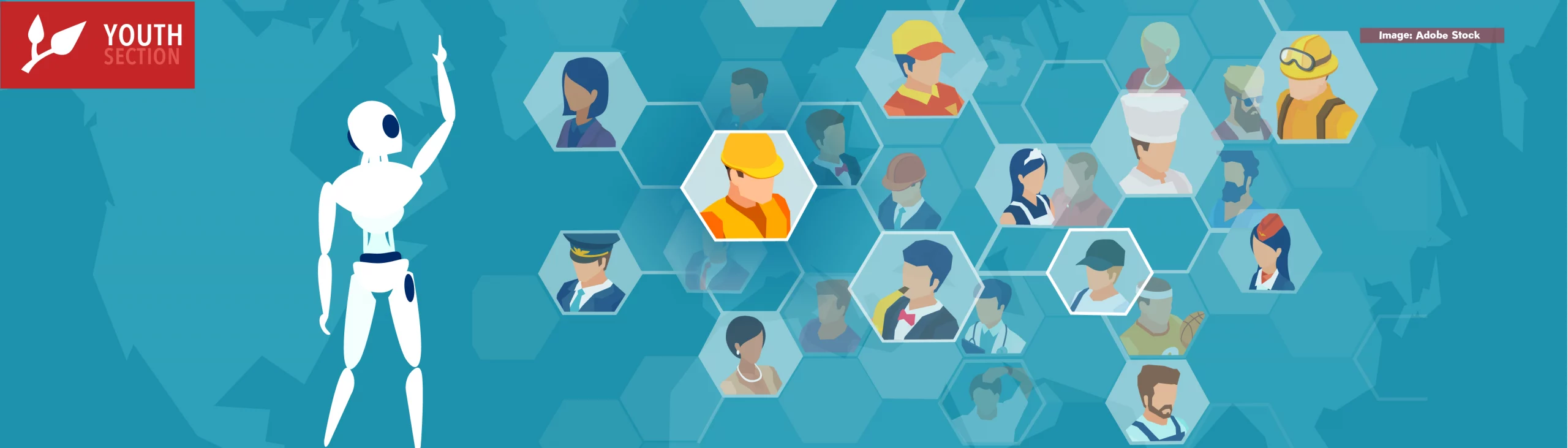
Overwhelmed by all the big tech layoffs and hiring freezes? Like you, lots of college students are nervous about the shaky economy and how AI will affect their future careers.
This fear is real: the recent graduating class (Class of 2025) had a hard time, with only 30% landing entry-level jobs in their chosen field. Meanwhile, applications for each role jumped 30%, even as job postings for new graduates fell 15% year-over-year.¹
This isn’t just a temporary dip, though. It’s a huge, structural change caused by AI and automation. Don’t panic. Even though the job market feels unstable, you can succeed by making smart choices.
Here are a few tips that can help you build a resilient career in an uncertain job market.
#1 Build Skills That Will Always Be in Demand
Companies are now hiring based on what you can actually do, not just your college grades (GPA). They need human abilities that AI cannot replicate yet.
The most important skill to develop is adaptability. This means you can handle changes quickly and thrive in jobs that are always shifting. When talking to employers, share examples of how you adjust your priorities when things suddenly change.
Next, master critical thinking and problem-solving. Employers need people who approach challenges with sound reasoning. Problem-solving is the skill nearly 90% of recruiters look for.2
Teamwork and communication are necessary everywhere. You must clearly convey your ideas, both in writing and in conversation.
Digital literacy isn’t optional anymore. Demand for people who are comfortable using and managing AI has grown seven times over. You need to learn to work with smart machines, not against them.
Don’t forget to focus on your data skills. Data literacy and analytics are in demand. Learning tools like Python or MLOps frameworks is a brilliant move.
#2 Major in Fields in Strong Demand
Choosing the right major certainly helps, but it’s not the only way to find success. The real secret is combining your personal passion with the market’s current reality.
Tech-related majors are strong bets. Computer science, cybersecurity, and data science graduates find jobs relatively easily. The pay is also good.
Careers in healthcare, like nursing, public health, and health administration, have a great outlook. People will always need medical help, so this industry keeps growing.
Social work is also growing fast because communities are dealing with more complicated social, emotional, and financial problems. The U.S. Bureau of Labor Statistics predicts social work jobs will grow by 6% by 2034.3
If you like helping people, you can study social work as an undergraduate. This leads to meaningful jobs in schools, mental health, and community groups.
To become a clinical social worker (which means you can provide therapy), you usually need a Master of Social Work (MSW) degree. Students often pursue an online MSW program because of the flexibility it offers.
According to Keuka College, the online MSW program equips professionals with the skills to identify, manage, and prevent all kinds of mental, emotional, and behavioral health challenges.
#3 Start Networking as Early as Possible
Networking is nothing but building professional relationships. Don’t wait until you desperately need a job; start building connections now. A strong network helps you find jobs that are never advertised.
Your college alumni are your biggest, easiest resource. They are usually happy to help students from their own alma mater.
Find people in jobs you would love to have using LinkedIn or the career office at your school. Set up short interviews (15 to 30 mins max). Ask them about what a typical day looks like for them, what’s the best and worst about their field, and what it takes to even get started in their field.
Attend those campus career fairs & speaker events too. They are a great chance to meet new people. Also, check out professional associations. They often have lower student membership fees, letting you attend members-only events and get a better feel for the industry.
Don’t network with an obvious agenda. Build real relationships. Offer value when you can. Share useful resources. Congratulate people on their achievements. Networking works best when it’s authentic, not transactional.
Persistence Pays Off
The job market may feel unpredictable now. But that doesn’t mean your future has to feel uncertain. You’re growing up in a world that is dynamic, creative, and full of new opportunities every single day.
Focus on these tips, and you can stack the odds in your favor and create a foundation that can withstand economic ups and downs. Start now, stay consistent, and you’ll be ready for whatever comes next.
References:
1. National Association of Colleges and Employers. 2025. Class of 2025 College Grads Responded to Challenges of a Tough Job Market https://www.naceweb.org/about-us/press/class-of-2025-college-grads-responded-to-challenges-of-a-tough-job-market
2. National Association of Colleges and Employers. 2025. The Attributes Employers Look for on New Grad Resumes—and How to Showcase Them https://www.naceweb.org/about-us/press/the-attributes-employers-look-for-on-new-grad-resumes-and-how-to-showcase-them
3. U.S. Bureau of Labor Statistics. 2025. Social Workers: Occupational Outlook Handbook. https://www.bls.gov/ooh/community-and-social-service/social-workers.htm









Comments are closed.