
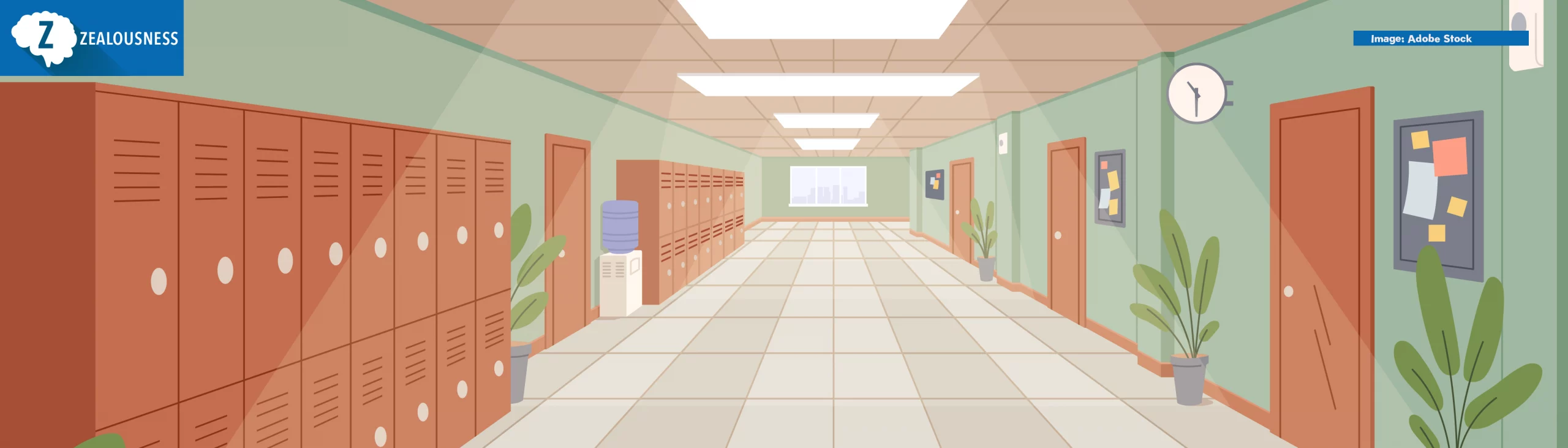

What does a safe school entrance really mean? Ever wonder what the first step into a school feels like for a Neurodiverse kid? Most of us don’t. But for some students, that first hallway is chaos. Loud echoes. Bright lights. A crowd that feels like it’s moving too fast. And it hits before they even reach the classroom.
It’s not just about physical safety. Emotional safety matters too. Anxiety spikes. Sensory overload kicks in. Some kids freeze. Others lash out. The school entrance isn’t neutral; it’s a test. And if we get it wrong? The rest of the day gets harder.
This is why creating entry spaces that are calm, safe, and sensory-friendly isn’t optional. It’s a necessity from outdoor mats that catch the rain and mud to the homeroom, where kids finally sit and breathe. Every step matters.
Understanding Neurodiversity in Schools
Neurodiversity. The word sounds fancy, but it’s simple. Some brains work differently. ADHD, autism, sensory processing issues, dyslexia. These are not deficits, they’re differences.
But differences matter. A hallway that seems fine to one kid? Overwhelming to another. A simple line to hang a coat might feel like a gauntlet. And teachers? They see the results: meltdowns, withdrawal, distraction.
Understanding neurodiverse needs is the first step. Without it, no number of mats, signs, or lighting will fix the problem. You have to get inside their experience. Feel what it’s like. Or at least try.
Role of Entry Spaces in Student Experience
Entry spaces. Most adults barely notice them. But kids? Especially neurodiverse kids? These spaces are huge. Noise is everywhere. Footsteps. Slamming lockers. Voices bouncing off walls. Bright lights. Cold floors. Crowding. Everything hits at once.
If we don’t design for that, the day starts with stress. But if we do? Calmness. Predictability. Safety. Kids can step in. Shake off the chaos outside. Get ready for learning. The difference is enormous.
Even small things help. A mat at the door. A bench to pause. A quiet corner. The entry space sets the mood for the entire day.
Principles of Sensory-Friendly Design
Sensory-friendly design isn’t rocket science. But it’s not easy either. It’s about thinking and really thinking—first, predictability. Kids need to know where to go. Simple signs. Clear pathways. Same layout every day.
Noise reduction. Soft floors, wall panels, and even ceiling baffles. Little things that soak up sound. Lights too. Flickering fluorescent bulbs? Nightmare. Soft, diffused light works wonders.
Textures matter. Soft seats. Entrance mats that aren’t rough underfoot. A floor that feels safe, not harsh. And personal space. Even small pockets where a child can pause, decompress. No one likes a crowded hallway when their senses are overloaded. Do this right, and a hallway isn’t just a passage. It becomes a buffer, a bridge from chaos to calm.
Designing Hallways for Calm and Safety
Hallways can be scary. Honestly, for neurodiverse kids, it’s like walking through a river of sound, motion, and smells. Widen them. Let kids choose their pace. Add visual cues. Color-coded lines. Signs that make sense, not flashy chaos.
Sound matters. Carpets. Acoustic panels. Ceiling treatments. Silence isn’t necessary. But less echo goes a long way. Lighting. Natural light, if you can. Flicker-free lamps. Even dimmable switches help.
Small alcoves with a bench. A pause spot. Kids can catch their breath. Nobody complains. Except maybe the janitor, but that’s another story. The right hallway design can literally prevent meltdowns. Not an exaggeration. It works.
Creating Sensory-Friendly Entryways
The entryway is the real test. From the parking lot, the bus, or the sidewalk. Students step into chaos or calm.
Outdoor mats are lifesavers. They catch mud, water, and noise. Entrance mats indoors are just as important. They mark a line. A moment. Transition time. Visual simplicity. No clutter. No posters screaming “Look at me!” Calm colours. Soft edges.
Noise buffers help. Vestibules. Small walls. Even a gentle hum of background music can help. Plants. Benches. Little touches matter. Kids notice. Teachers notice. Everyone breathes easier.
Homerooms as Safe Havens
Once they hit the homeroom, the storm should have passed. Homerooms are anchors. Bases. Home in the school. Flexible seating is huge. Weighted chairs. Cushions. Fidget tools. Quiet corners. Low-stimulus zones. Dimming lights. Removing visual clutter. Predictable layout. Kids need it. They thrive on it.
Sensory tools. Noise-cancelling headphones. Soft textures. Small stress balls. Nothing fancy. But everything counts. The homeroom continues the story that the hallway started. Calm. Predictable. Safe. Kids can finally breathe and learn.
Outdoor Spaces and Their Connection to Entry
Don’t forget outside. Outdoor chaos hits first. Cars. Buses. Weather. Noise. Kids arrive. Ready or not. Outdoor mats. Yes, again. They’re practical and psychological. They mark a transition. Step in. Step out of the chaos.
Sheltered drop-offs help too. Rain, snow, wind—less sensory load. Greenery. Trees. Landscaping. Simple. Calming. Helps kids reset before stepping inside.
A smooth connection from outside to inside makes a massive difference. It’s all one story from pavement to homeroom desk.
Implementing a School-Wide Sensory-Friendly Policy
Design matters, yes. But policy is everything. Without it, all the mats and panels are wasted. Staff training. Recognise overload signs. Know how to help. Quick intervention. Calm voices. Small gestures. Big impact.
Staggered transitions. Avoid hallway traffic jams. Simple but effective. Student input. They know what works. They know what doesn’t. Listen. Seriously. Evaluation. Keep checking. Spaces change. Needs evolve. Keep adapting. When policy matches design, schools actually work for everyone. Not just some kids. Everyone.
Case Studies and Real-World Examples
Some schools get it. In Oregon, elementary schools added acoustic panels, soft colors, and flexible seating. Kids? Less anxious. Transitions? Smoother. Teachers noticed.
New York middle schools widened hallways. Added quiet alcoves. Noise dropped. Focus improved.
In Japan, vestibules with layered outdoor mats became a buffer between streets and classrooms. Tactile cue. Auditory buffer. Kids walked in calmer. Small changes. Big results. Sometimes it’s just mats and benches. Sometimes panels and lights. All work is done thoughtfully.
Challenges and Considerations
It’s not all easy. Budgets are tight. Older buildings are tricky. Narrow hallways, low ceilings. Different kids, different needs. One calm corner might overstimulate someone else.
Maintenance matters. Mats, cushions, panels; they need care. Clean, safe, functional. Otherwise, chaos creeps back. Still, the payoff is worth it. Less stress. Less conflict. Better learning. Kids feel safe. Teachers breathe. Simple.
Measuring Success
How do you know it works? Observation. Kids’ behaviour tells the story. Less meltdowns. Less anxiety. More focus. Student feedback. Interviews, surveys. Ask them. They’ll let you know honestly. Teacher input. Daily observations. Transitions. Mood. Engagement.
Academic performance? Maybe. Calm minds learn better. It’s not magic. It’s science. Measure. Adjust. Repeat. That’s the cycle.
Conclusion
Every step matters, from outdoor mats in the rain to the homeroom desk. Every detail counts. Sensory-friendly entry spaces aren’t a luxury. They’re essential. Noise reduction, mats, tactile comfort, calm zones; they all help. And it’s not just design. Policy, training, student input. Together, they make the difference.
When kids step in calm, when hallways don’t overwhelm, when homerooms feel safe, learning happens. Confidence grows. Inclusion works. A school entrance isn’t just a door. It’s the first sentence of a kid’s day. Make it say, “You’re safe here. You belong.”











Comments are closed.