
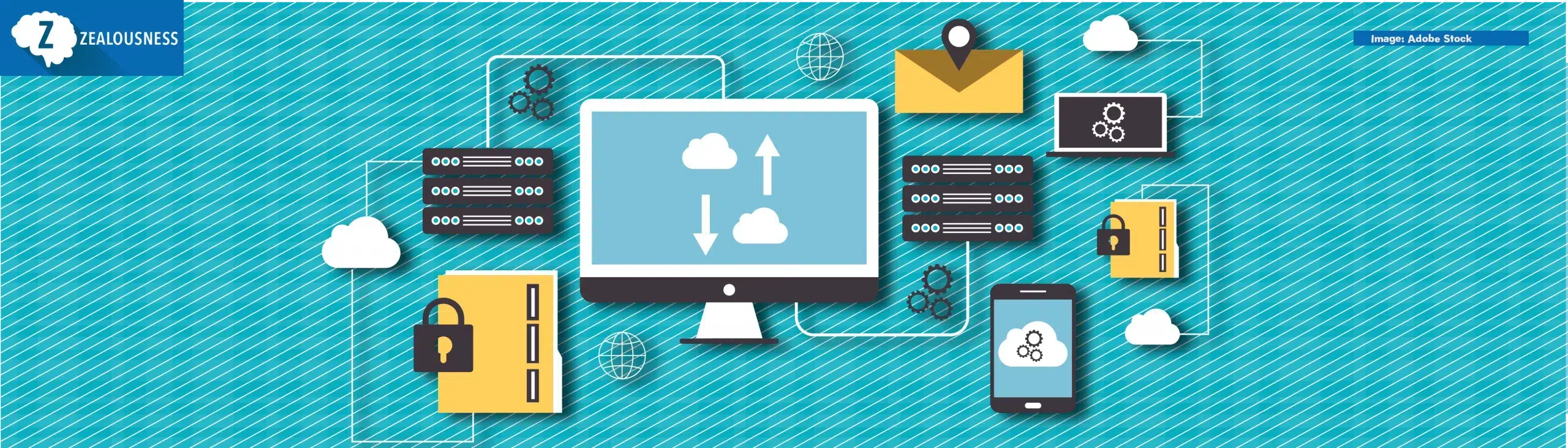
Remember when everyone was arguing about going all-in on the cloud versus sticking with on-premises setups? Those days are just about gone. Heading into 2026, companies aren’t so much picking sides anymore. They’re embracing hybrid cloud, mixing public cloud, private cloud, and on-premises systems into one flexible setup. What started as a stopgap has turned into the standard way to build modern IT.
Hybrid cloud simply works. It lets organizations juggle performance, security, cost, and compliance all at once. No single approach, public or private, is handling everything, but all of them together get the job done. As technology speeds up and business needs get trickier, the hybrid cloud is becoming more than just another option. It’s now the backbone of IT.
What Is Hybrid Cloud Architecture?
Basically, it’s a way for companies to blend private servers with public cloud platforms, letting data and apps move back and forth without a hitch. Say a business wants to keep customer info locked down on its own servers but runs its analytics or customer apps out in the public cloud. With a hybrid cloud, that’s easy.
Old-school cloud setups forced companies to pick a side, either private or public, and stick with it. Hybrid cloud breaks that mold. Now businesses can put each workload right where it fits best. This kind of freedom matters, especially with demand always shifting, new security threats popping up, and strict rules dictating where data can live.
Hybrid cloud lets IT teams modernize without throwing everything into chaos. You can shift workloads around as your needs change, so those old legacy systems don’t have to disappear overnight. Instead, you get to bring in new cloud tools at your own pace. It’s a smart, low-risk way to keep your infrastructure moving forward without any big headaches.
In 2026, nobody’s thinking of hybrid cloud as a half-measure anymore. It has a huge advantage.
Why Hybrid Cloud Is Taking Over
Hybrid cloud isn’t just a trend. It’s quickly becoming the go-to setup for most organizations, and there are good reasons for that:
1. Data Security and Compliance
If you work in health care, finance, government, or education, you know how strict the rules are about where your data can live and who can touch it. It’s a headache. Public cloud alone just doesn’t cut it for these folks.
That’s where hybrid cloud shines. You get to lock down your sensitive, regulated data in a private environment, but you don’t have to miss out on the power and flexibility of public cloud services. It’s the best of both worlds—you can stay both compliant and nimble.
And with data privacy laws changing all the time (sometimes it feels like every month), hybrid cloud gives you the wiggle room you need to keep up.
2. Cost Optimization and Resource Efficiency
Cloud computing started out as the budget-friendly answer to old-school IT setups. Sure, the public cloud cuts down on up-front spending, but those savings don’t always last. Data transfer fees, storage charges, and surprise usage spikes can drive up costs faster than you’d expect.
Hybrid cloud flips the script. With this setup, companies keep steady, predictable workloads on their own private infrastructure. When things get busy or unpredictable, they shift extra demand to the public cloud when it makes sense. IT teams get the flexibility to boost performance without blowing the budget.
Right now, when every dollar counts, hybrid cloud brings real financial stability to the table.
3. Performance and Latency Demands
Apps keep getting hungrier for data, and real-time services aren’t slowing down. Performance and latency? They’re not just nice-to-haves anymore—they’re make-or-breaks. If you’re working with AI, machine learning, gaming, or anything that needs instant analytics, you just can’t count on far-off cloud data centers to deliver.
That’s where hybrid cloud steps in. It brings the heavy lifting closer to your users while letting you tap into everything the cloud offers. You get snappier response times, fewer hiccups, and users stick around because things are working.
In 2026, nobody’s treating performance as a bonus. It’s now the baseline. If you can’t deliver, people will just move on.
4. Business Continuity and Resilience
In the past few years, outages, cyberattacks, and worldwide disruptions have made it clear that organizations aren’t as invincible as they like to think. Leaning on just one infrastructure? That’s asking for trouble.
Hybrid cloud steps in and changes the game. Spreading workloads across different environments builds in resilience. If something goes down, you don’t grind to a halt—you just move operations somewhere else and keep things running. That kind of backup matters most when you’re dealing with services you simply can’t afford to lose.
These days, a lot of organizations treat hybrid cloud as a cornerstone of their risk management. It’s not just a nice-to-have; it’s the way they stay ready for whatever comes next.
All things considered, it’s pretty clear why hybrid cloud isn’t just a passing trend anymore. Companies deal with tough regulations, customers want faster everything, and expectations keep climbing. Hybrid cloud just fits. For now and the foreseeable future, it’s the smartest way for businesses to stay both adaptable and secure. Businesses won’t get stuck with only one kind of tech. It keeps them in the game, ready for whatever comes next.
Hybrid Cloud and the Future of Work
Remote and hybrid work aren’t just trends anymore—they’re pushing companies to embrace hybrid cloud even faster. People want to log in securely from anywhere, on any device. Hybrid cloud makes that possible. It gives organizations a way to keep control over their data while letting employees connect from wherever they need to.
IT teams set up collaboration tools, virtual desktops, and secure access in the public cloud. At the same time, they keep sensitive systems in-house, tucked away from the outside world. This setup keeps work moving smoothly and doesn’t let security slip through the cracks.
Work keeps changing, and companies have to keep up. Hybrid cloud lets them do that. It gives teams the flexibility to work how they need, but IT still gets to keep everything secure and under control. So when work patterns shift, businesses can move fast without risking reliability or losing track of their data. These days, everyone expects to work their own way. Hybrid cloud makes that happen.
Challenges That Still Remain
Hybrid cloud has plenty going for it, but it’s not always easy and carefree. Juggling different environments gets complicated fast. IT teams need to know their stuff, and you need solid governance to keep everything running smoothly. Security is another big issue. You can’t just lock down one part and call it a day—you have to cover every platform, every time. And then there’s integration, and connecting all these systems takes careful planning.
Still, things are changing. Cloud management platforms keep getting smarter. Automation is picking up the slack, and AI-driven monitoring spots problems before they get out of hand. By 2027, running a hybrid cloud should feel way smoother than it does right now.
Hybrid cloud used to be a headache, but now it’s a lot easier to handle. Better automation, tighter governance, and sharper monitoring tools are cutting through the chaos and putting teams back in control. With each improvement, managing a hybrid setup feels less daunting. Those old barriers? They’re fading fast.
Conclusion
Hybrid cloud isn’t just a stopgap anymore. Today, it’s what most organizations use when they want real flexibility, stronger security, and solid performance that can take a hit and keep on running.
Mixing public and private cloud lets companies stay agile and still keep a tight grip on their data. The tech world never stands still, but one thing’s for sure: enterprise IT won’t go all-in on the cloud or stick with on-premises setups only. The future is hybrid, plain and simple.
Read more articles related to technology trends and innovation on our Zealousness blog.
References
- Amazon Web Services. Hybrid Cloud Architectures: Best Practices for Modern Enterprises. Seattle: Amazon Web Services, 2023.
- Gartner, Inc. “Predicts 2025: Hybrid and Multicloud Are No Longer Optional.” Stamford, CT: Gartner Research, 2024.
- IBM Corporation. Hybrid Cloud: The Foundation for Digital Transformation. Armonk, NY: IBM Redbooks, 2022.
- IDC. “Worldwide Hybrid Cloud Infrastructure Forecast, 2023–2027.” Framingham, MA: International Data Corporation, 2023.
- Microsoft. Designing Hybrid Cloud Solutions with Azure. Redmond, WA: Microsoft Learn, 2024.
- NIST (National Institute of Standards and Technology). Cloud Computing Standards Roadmap. Special Publication 500-291, revised 2022. Gaithersburg, MD: U.S. Department of Commerce.
- Red Hat. The State of Hybrid Cloud Adoption. Raleigh, NC: Red Hat Research, 2023.VMware. Why Hybrid Cloud Is the New Enterprise Default. Palo Alto, CA: VMware White Paper, 2024.











Comments are closed.