
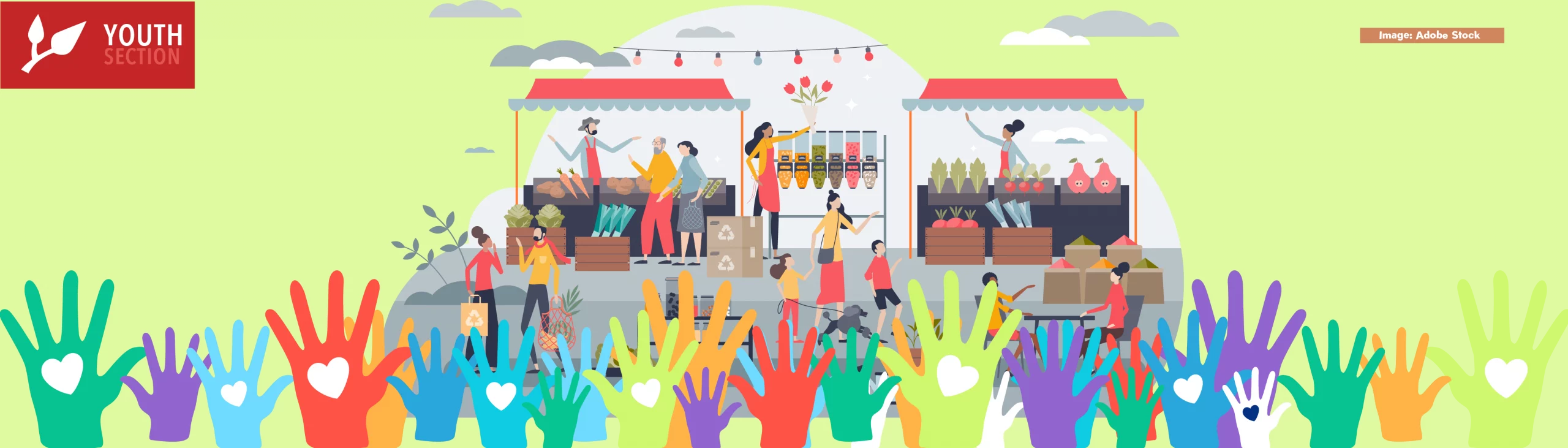
The idea of “growing seeds of peace” is a powerful way to understand how peace is built. Peace is not something that suddenly appears—it is something we grow over time. Just like a plant, it needs care, patience, and the right environment to survive.
This journey starts within each person and spreads to communities and the whole world. Everyone has a role in creating a more peaceful future.
More Than Just the Absence of War
When we talk about peace, many people think it simply means no war or violence. However, true peace is much deeper than that. It includes justice, safety, respect, and equal opportunities for everyone.
The metaphor of a seed helps explain this idea:
1. Patience and effort: Seeds take time and continuous effort to grow. So, too, does peace.
2. Care and support: Just as plants need water and sunlight, peace needs empathy, education, and fairness.
3. Small beginnings: Even the smallest act of kindness can grow into something meaningful and impactful.
Peace is not a destination—it is an ongoing process that must be protected and nurtured.
Peace Begins Within
Before we can create peace in the world, we must first create it within ourselves. Our thoughts, reactions, and behavior affect the people around us.
Being self-aware helps us understand our emotions and control how we respond to challenges. At the same time, empathy allows us to understand others and see situations from different perspectives.
Communication is also key. When people express their opinions calmly and listen to others with respect, conflicts become easier to resolve. Instead of arguing, dialogue creates understanding and connection.
Building Peace in Communities
Peace grows stronger when people work together. Communities play a major role in creating harmony and trust.
Local initiatives are especially important because they focus on real problems faced by people. When individuals come together to solve issues, they build stronger relationships, which reduces conflict.
Young people are also essential in peacebuilding. Organizations like Seeds of Peace bring youth from different backgrounds together to learn communication and leadership skills. These experiences help them become more open-minded and cooperative.
Volunteer work is another powerful tool. When people collaborate on shared goals, they break stereotypes and create bonds. This shows that, despite their differences, people can work together and support each other.
Peace on a Global Scale
While individuals and communities are important, global efforts also play a major role. International organizations like the United Nations work to promote peace, resolve conflicts, and protect human rights.
Technology is also becoming a useful tool in peacebuilding. It connects people from different cultures and allows them to share ideas and solutions. When used responsibly, it can spread awareness and encourage cooperation.
Another important factor is inclusion. The participation of women in peace processes leads to stronger and more lasting solutions. When different voices are heard, decisions become fairer and more effective.
In the end, growing seeds of peace will remind us that peace is something we create through our daily actions. It is not limited to the realm of governments or global organizations—it begins with individuals.
Small actions, such as listening, helping others, or showing kindness, may seem simple, but they have a powerful impact. Over time, these actions grow and influence communities, creating a ripple effect that can reach far beyond what we imagine.
Peace also requires responsibility. It does not grow on its own—it needs effort, awareness, and commitment. People must be willing to stand against injustice, support one another, and respect differences. Diversity should not be a source of conflict but an opportunity to learn and grow.
But at the same time, peace is not always easy. Challenges and disagreements are a natural part of life. What matters, however, is how we respond to them. Choosing understanding instead of anger and dialogue instead of silence helps build stronger connections.
Young people, especially, can shape the future. With the right education and opportunities, they can become leaders who promote cooperation and positive change. Their ideas, energy, and creativity are essential for building a more peaceful world.Ultimately, peace is like a garden. It requires constant care, patience, and cooperation. Every individual has the power to plant a seed, and together, these seeds can grow into a world defined not by conflict but understanding, respect, and hope.
Read more articles from the Youth Series on our Zealousness blog.
References / Bibliography
- Peace Innovation Institute. “About Peace Innovation Institute.” Accessed May 1, 2026.https://www.peaceinnovation.com/about-peace-innovation-institute.
- Seeds of Peace. “Dialogue Academy.” Accessed May 1, 2026.https://www.seedsofpeace.org/dapartners/.
- Seeds of Peace. “Our Programs.” Accessed May 1, 2026.https://www.seedsofpeace.org/programs/.
- Stanford Peace Innovation Lab. “Research.” Accessed May 1, 2026.https://www.peaceinnovation.stanford.edu/.
- UNESCO. “The Recommendation on Education for Peace and Human Rights, International Understanding, Cooperation, Fundamental Freedoms, Global Citizenship and Sustainable Development.” Accessed May 1, 2026.https://www.unesco.org/en/global-citizenship-peace-education/recommendation.
- United Nations Peacebuilding. “Youth, Peace and Security.” Accessed May 1, 2026.https://www.un.org/peacebuilding/policy-issues-and-partnerships/policy/youth.
- World Bank. “Fragility, Conflict, and Violence.” Accessed May 1, 2026.https://ida.worldbank.org/en/topics/theme/conflict-and-fragility.









Comments are closed.