
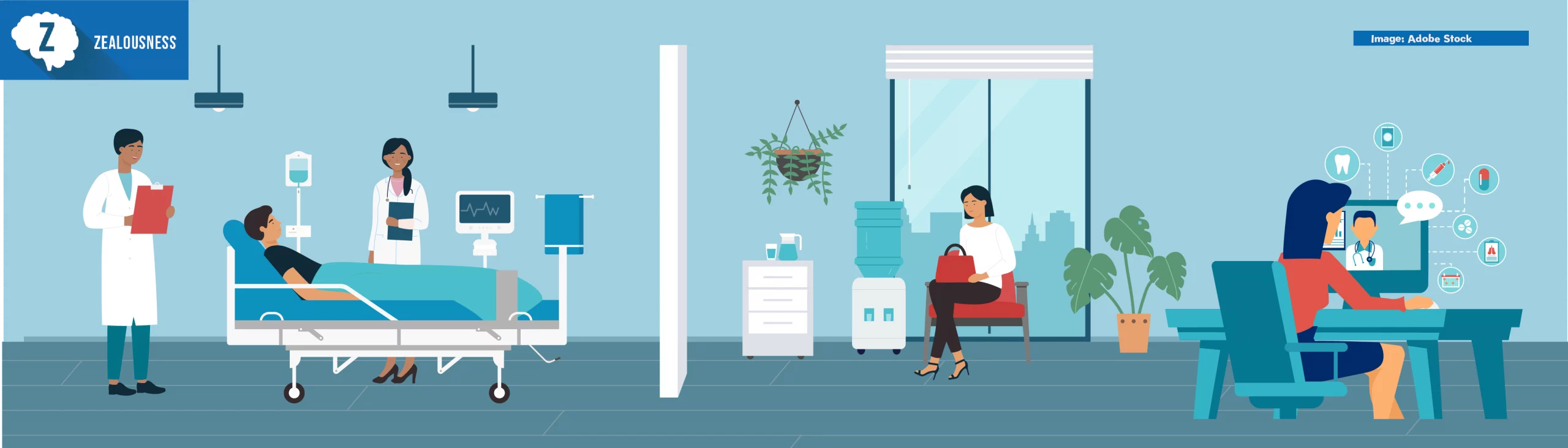
There is a common belief that people know exactly what career they want while they are still children or teenagers. In reality, a lot of people simply go with the flow, either following suggestions from adults near them or simply keeping to the path where they will stay with as many friends as possible. So, as a result, they may only find their professional calling much later.
Ultimately, life experiences can shift priorities, and over time, this can change your definition of success. Nursing is one profession that frequently attracts career changers. Some individuals choose to enter healthcare after spending some time in another field, and while this may be surprising, there are usually very good reasons behind this change.
Seeking Work That Feels More Meaningful
Career satisfaction often evolves over time. Your job may have seemed to be the right fit at first, but eventually it could leave you feeling unfulfilled.
This realization can prompt important questions, such as:
- Is my work making a difference?
- Am I contributing to something bigger?
- Do I have a sense of purpose?
Nursing appeals precisely to people who seek more meaningful careers because it combines practical skills with human connection. Nurses provide comfort. Education, advocacy, and hands-on care during some of life’s more challenging times. This is the opportunity to support individuals within their communities.
Soft Exposure to Healthcare Can Spark a New Interest
Sometimes interest develops unexpectedly through everyday experiences.
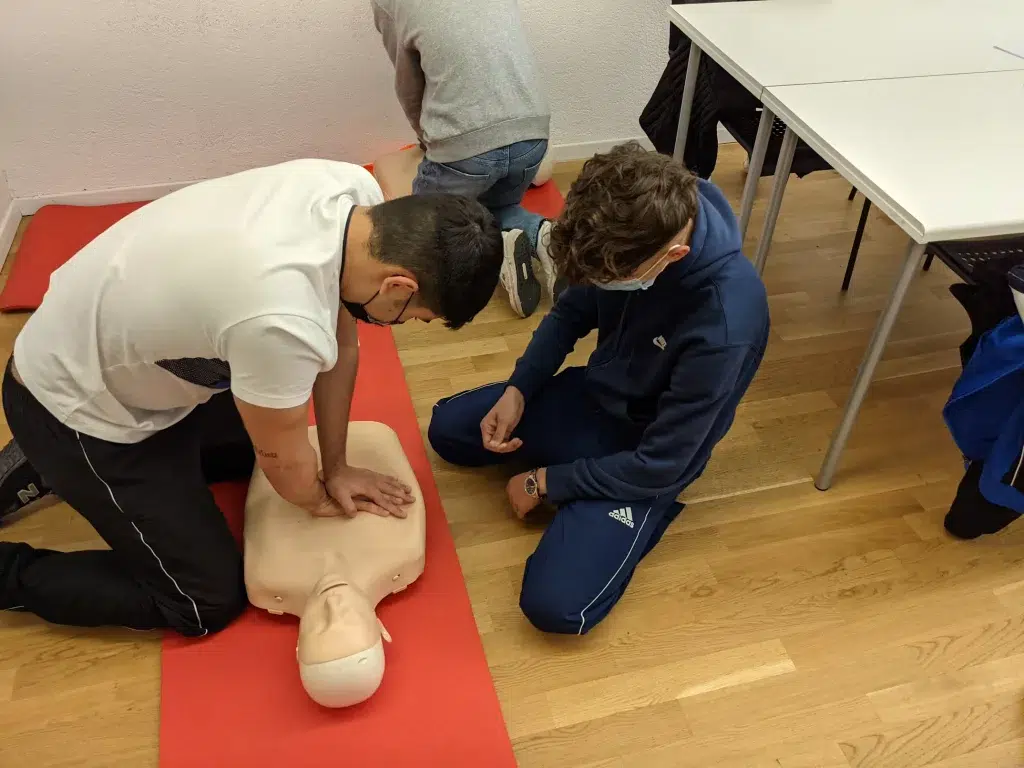
For instance, if you need to take a CPR certification course as part of your day-to-day job, you may become more aware of the role of healthcare and its realities in saving lives. It can be a lightbulb moment that reveals to people a strength they didn’t know they had, such as remaining calm under pressure or communicating clearly in a difficult situation.
For those ready to explore nursing more seriously, the vocational nursing program can provide a relatively streamlined path into the profession. The program is designed to prepare future vocational nurses through classroom instruction and practical experience, allowing students to build the knowledge and skills they need to pursue licensure in approximately 14 months.
Better Job Prospects Can Influence Career Decisions
Practical considerations also play an important role when adults evaluate career options.
Healthcare careers are typically associated with strong employment demand and long-term stability. According to the U.S. Bureau of Labor Statistics, licensed practical and vocational nurses earned a median annual wage of $62,340. On the other hand, office and administrative support occupations have a median annual wage of approximately $46,320.
Beyond the earning potential, healthcare careers may offer opportunities for advancement, geographic flexibility, and the ability to work in a variety of settings. These are factors that make nursing particularly appealing to individuals seeking greater financial security without sacrificing meaning.
Ultimately, there is no universal deadline for discovering what you want to do with your life. As interests evolve and new opportunities arise, people are allowed to change their minds about their careers.
For adults, the motivation usually comes from a desire to do something meaningful or from an eye-opening exposure to the healthcare field. Ultimately, from a practical point of view, healthcare jobs are always in demand, and many come with a decent paycheck.









Comments are closed.