
Digital education gives you amazing flexibility, but it also means you need new skills to do well in your studies. Since there’s no physical classroom, you have to get good at managing yourself, staying organized, and keeping motivated. This guide will give you practical tips to help you master online learning and get the most out of your courses.
Setting Up Your Digital Study Space
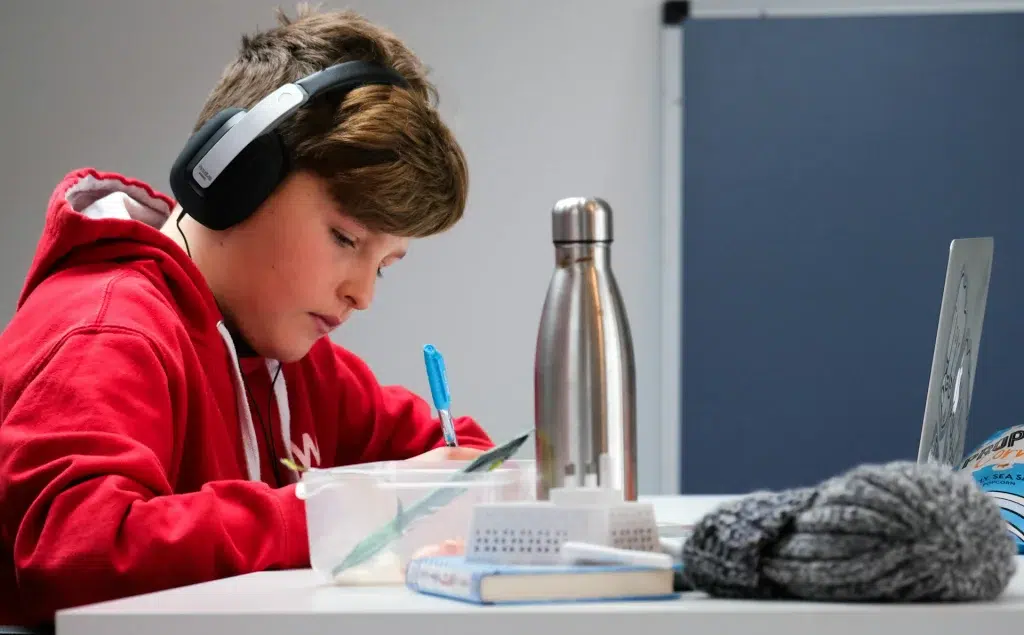
Where you study makes a big difference in how well you can focus. If you set up a specific study spot, even if it’s just a corner of a room, it tells your brain it’s time to concentrate. Make sure your area has good lighting, is comfortable, and has as few distractions as possible.
Your digital workspace needs just as much attention as your physical one. A messy desktop or disorganized files can be just as distracting as a cluttered room. Get into the habit of:
- Making separate folders for each subject or module.
- Using a clear way to name your documents (like Subject_Topic_Date).
- Closing tabs and apps you don’t need before you start studying.
- Turning off notifications on your computer and phone that aren’t essential.
Effective Note-Taking for Online Content
Watching a pre-recorded lecture is different from being in a live class. You can pause, rewind, and re-watch tricky parts, which should change how you take notes. Instead of trying to write down everything super fast, you can focus on really understanding the ideas. There are many different note-taking strategies for online classes that you can adjust to fit your own style.
Try using a digital note-taking app like OneNote or Evernote. These let you put typed text, screenshots, links, and even audio clips all in one place. You could also try the Cornell Method, where you divide your page into sections for main notes, cues, and a summary. The main thing is to find a system that helps you actively process information, not just copy it down. Ultimately, you need to master effective note-taking to build a solid base for reviewing later.
Leveraging Online Resources for Revision
The internet is full of tools to help you learn, especially when you’re getting ready for exams. Besides your course materials, you can find past papers, video tutorials, quizzes, and interactive simulations. Using these resources well can turn your revision from something boring into something active and engaging. Platforms that offer structured materials for specific subjects, like those that support your GCSE revision, can give you past papers, example answers, and questions on specific topics. Actively testing what you know is one of the best ways to find gaps and really get a handle on things before an exam.
Time Management in a Digital World
One of the biggest challenges with remote learning is managing your own time. Without school bells and set schedules, it’s easy for hours to just disappear. Being proactive about time management is key. At the start of each week, write down all your deadlines, lectures, and planned study times in a digital calendar or a physical planner.
Techniques like the Pomodoro Method, where you work for focused 25-minute periods with short breaks, can help you stay concentrated and avoid burning out. Time-blocking, where you set aside specific chunks of time for each task, also helps bring structure to your day. Don’t forget to schedule breaks and time off; studying constantly isn’t sustainable and can make you less effective.
Staying Motivated While Learning Remotely
Studying by yourself can sometimes feel lonely, and it’s hard to stay motivated without encouragement from classmates and teachers. Setting clear, achievable goals is a great way to keep going. Break down big assignments into smaller, more manageable tasks, and celebrate your progress as you finish each one.
Connecting with classmates can also make a huge difference. Organize virtual study groups to talk about tough topics or just to check in with each other. It’s also important to keep a routine that separates your ‘study time’ from your ‘personal time.’ Simple things like getting dressed for your study day and putting away your books when you’re done can help create the mental space you need to relax and recharge.
Getting good at online learning means building habits that help you be independent and disciplined. When you create a structured environment and really engage with your course material, you build the skills you need to succeed in any digital classroom.










Comments are closed.