
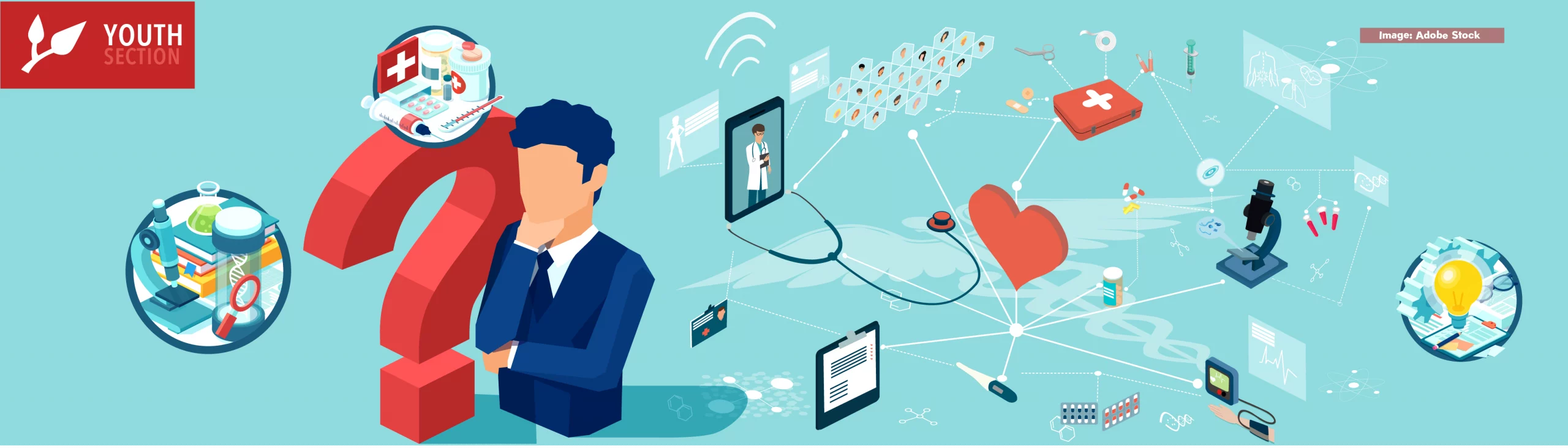

Some people do not want to spend years and years in school. They want to dive into the world of work as soon as possible, but often they assume that is not possible, especially in sectors like healthcare, where workers have a lot of responsibility, but you know what? That really is not the case, and while some healthcare professions do require extensive schooling, there are many rewarding roles that you can enter into after short training programs, cettiifciatona nd associate degree programs.
These careers are ideal for individuals who want to start work and start making a difference as soon as possible, so let’s take a look at some of the best options, shall we?
Certified Nursing Assistant (CNA)
One of the most popular entry points into healthcare is becoming a Certified Nursing Assistant, or CNA. CNAs work closely with patients, helping with daily care activities and providing support under the supervision of nurses and other healthcare professionals.
Many people researching how to become a CNA are surprised to learn that training programs can often be completed in a matter of weeks or months rather than years. This makes the role an attractive option for those who want hands-on patient experience while exploring long-term healthcare career opportunities.
Many nurses and other healthcare professionals begin their careers as CNAs before pursuing additional education.
Medical Assistant
Medical assistants play a really important role in physicians’ offices and outpatient facilities. They have a lot of responsibilities, which may include things like scheduling appointments, updating patient records, taking vital signs, and helping healthcare providers during exams.
A lot of medical assistant programs can be completed within the space of a year, and this means graduates can start working pretty quickly, and because it offers a lot of variety, it is a great place to start a career in healthcare when you aren’t quite sure what you would most like to do.
Pharmacy Technician
Pharmacy technicians assist pharmacists by preparing medications, managing inventory, processing prescriptions, and helping customers.
Training requirements vary by state, but many pharmacy technician programs can be completed in less than a year. The role offers an opportunity to work in retail pharmacies, hospitals, and other healthcare settings while developing valuable medical knowledge and customer service skills.
Phlebotomist
Phlebotomists are people who specialize in drawing blood that will then be sent to the laboratory for testing and medical procedures. It might seem like a simple task, but it is actually quite specialized and requires proper training to make sure that patients are always safe and comfortable during procedures.
A lot of phlebotomy certification programs can be completed in a few months, and it is a great role for people who want to interact with patients and learn technical skills at the same time.
Emergency Medical Technician (EMT)
For those interested in fast-paced environments, becoming an EMT may be an excellent option. EMTs provide emergency medical care and transportation for patients experiencing illness or injury.
Training programs are typically much shorter than traditional healthcare degree paths and focus on practical emergency response skills. The work can be challenging but highly rewarding for individuals who thrive under pressure and enjoy helping others during critical situations.
If you think healthcare could be for you, it’s time to start exploring your options!









Comments are closed.