
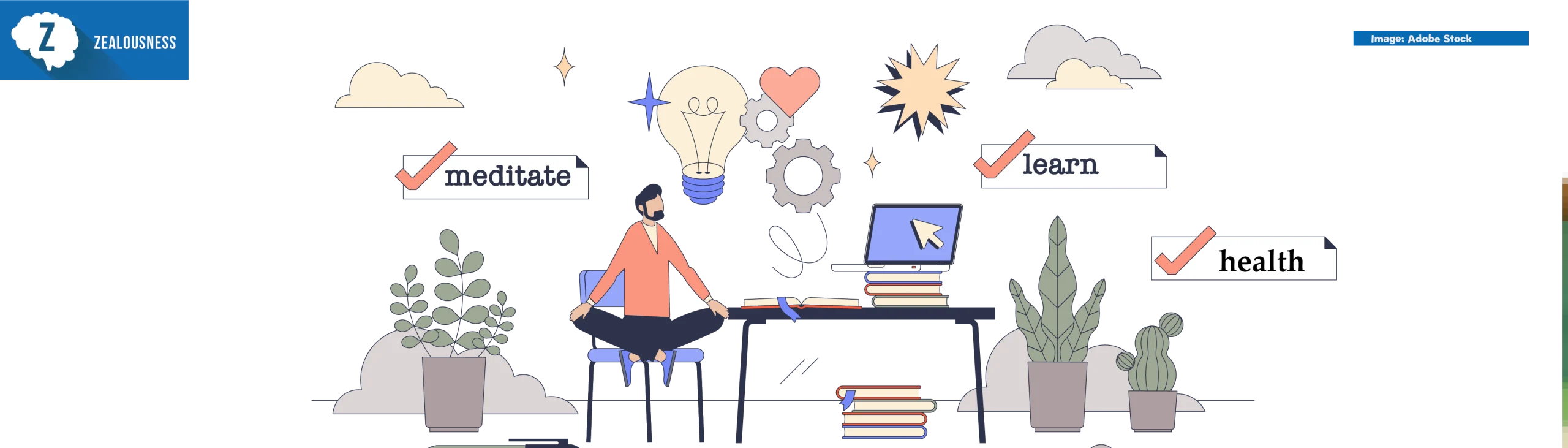
Learning is not just sitting down and absorbing educational materials. That’s what happens when you’re learning, of course, but if you don’t have a solid base to begin with, you won’t be able to do much sitting, let alone remembering and retaining information. How you feel when you enter the classroom or sit down with your books matters as well. If you’ve spent the morning worrying about a health problem, haven’t slept properly, or feel uncomfortable speaking in front of other people, concentrating on a lesson becomes harder.
Confidence Changes How You Participate
There’s a certain kind of frustration that most shy Aussies know about. It comes from knowing an answer but refusing to raise your hand because you’re afraid of being wrong. You might spend the rest of the lesson listening to other students discuss something you understood perfectly well. Sometimes not raising your hand is okay. But if you do it often, it comes with consequences. Eventually, this habit can make you underestimate your abilities. You start believing that quieter students are less capable.
Self-confidence gives you permission to take part. You don’t have to feel or be completely prepared. You can ask a question, explain an idea, or challenge something. That’s how you learn, after all. Education involves exchanging information, not just collecting it. When you participate, you discover gaps in your understanding, and that’s a huge bonus.
Your Body Has a Say In How Well You Learn
Imagine sitting through a two-hour lecture while dealing with a persistent headache. Or worse, a toothache. That doesn’t sound pleasant. You might be physically present, but a decent portion of your attention is somewhere else. You want the pain to go away. So, you are restless, and you keep shifting in your chair, checking the time and trying to find a comfortable position. Even relatively simple information becomes difficult to absorb.
You should know that regular meals, sufficient sleep, movement, and appropriate healthcare all contribute to your ability to concentrate. You have to take care of yourself. However, it’s also important to stop treating discomfort as something you have to tolerate. You don’t. If dental anxiety, for example, has prevented you from addressing a problem, finding a trusted dentist in Penrith can be a good first step. You don’t even have to do anything yet. Just booking an appointment and visiting your new dentist to address your anxiety is the first step towards healthier teeth.
Making Mistakes Without Turning Them Into Personal Failures
A poor test result is just that. We know it can feel personal, though. You might look at a disappointing mark and immediately question whether you’re intelligent enough to study the subject. This reaction is understandable. Getting a bad grade when you’ve invested a lot of time in preparing can be devastating. However, a test doesn’t measure your entire ability to learn. Confusing the two makes it much harder to improve.
Instead of treating mistakes as evidence of incompetence, you can adopt a healthier approach. You can examine what actually happened. Perhaps you misunderstood the question, spent too much time on one section, or memorized information without understanding how to apply it. These are different problems. Of course, no one here needs you to pretend that disappointing results feel good. This is just a gentle reminder that these results don’t define you.
The Small Health Problems That Interrupt Big Plans
Some health concerns are disruptive because they don’t seem serious enough to justify changing your routine. Recurring headaches are an excellent example. Some people deal with eye strain or back discomfort. Others have digestive problems and continue attending classes as usual. None of these sound like emergencies. Unfortunately, these smaller difficulties can accumulate. By the time you sit down to study, you’re already tired from managing discomfort throughout the day.
It’s worth paying attention to patterns. It’s better to address them rather than waiting until something becomes unbearable. If your eyes hurt after several hours of reading, change something in your surroundings first. Maybe it’s your lighting, screen brightness, or prescription that needs attention. If sitting through lectures causes back discomfort, look at your posture and seating arrangements. Seek professional advice when symptoms persist.
Your Learning Environment Shouldn’t Make You Feel Small
Confidence isn’t developed entirely through individual effort, although that matters the most. However, the environment around you matters, too. A classroom where students are mocked for asking basic questions creates a very different experience from one where curiosity is treated as a normal part of learning. Even a single dismissive comment can make someone reluctant to contribute again. This is sad, but it’s true, especially when they’re already uncertain about their abilities.
You should look for educational spaces where you can express uncertainty. While you can’t control people around you, you can gravitate towards spaces where you won’t be treated as incapable. Good teaching involves correcting misunderstandings, sometimes quite firmly, while still respecting the person making them. Learn how to differentiate the two. If you’re studying online, the same principle applies.
Building Routines That Leave Room For Being Human
A study schedule might look excellent on paper. You might swear today that you’ll follow it until the end of the year. But it won’t help much if it assumes you’ll have that same unlimited energy every day. You might plan three hours of uninterrupted reading after work. But what happens if you’re exhausted by the time you get home? Do you not study at all, or do you adapt? You need to be flexible and create a routine that accounts for your circumstances. Even if you’re a full-time student, you won’t be able to give your 100 percent every day.
You can also make studying easier by connecting it with ordinary activities. Review vocabulary while traveling, and listen to recorded lectures during a walk. You can also spend fifteen minutes revisiting yesterday’s notes before starting something new. Keep water nearby and take breaks before your attention disappears completely. Most importantly, allow yourself to adjust your plans when your health requires it.
Conclusion
Your health and confidence aren’t some decorative additions to academic achievement. They influence how you concentrate, communicate, remember information, and respond to challenges. Looking after yourself gives you a better foundation for learning, while confidence makes it easier to use that foundation. You deserve an educational experience in which your wellbeing matters as much as your results. After all, the purpose of learning isn’t to finish another course or collect another qualification. It’s to become someone who can keep discovering, questioning, and developing without feeling that they must be perfect first.