
Dental education does not stop when you leave the classroom. New materials, techniques, and workflows continue to enter clinical practice, and each one can change how you approach familiar procedures. Reading product information gives you a starting point, but it cannot always show you how a material behaves in your hands. That is where hands-on learning becomes valuable.
When you practice with a material before relying on it in patient care, you have room to understand its handling, timing, limitations, and finishing steps. You can also ask better questions because you are responding to what you actually experience.
Turning Product Knowledge Into Practical Skill
A product guide can explain indications and instructions, but clinical use depends on more than memorizing steps. You may need to judge consistency, working time, adaptation, pressure, or how easily a material can be adjusted after placement.
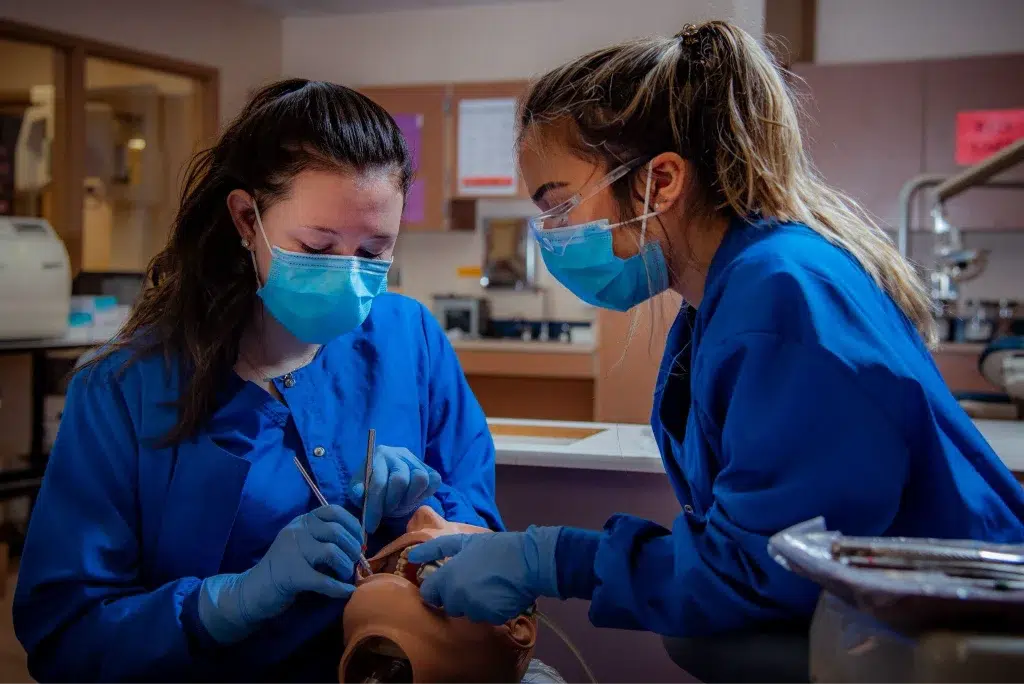
Hands-on education lets you connect written instructions with physical experience. One dental association includes hands-on workshops in its continuing education programming specifically to build clinical skills through guided practice. That type of learning gives you a structured setting where mistakes become lessons rather than patient-care problems.
The same principle applies when you encounter a material you have not used before. You are not simply learning what the product is. You are learning how it fits into the full procedure.
Why Material Changes Deserve Fresh Training
It is easy to assume that a new material can be used exactly like an older product in the same category. That assumption can create problems. Different formulations may have different preparation requirements, curing behavior, application methods, or finishing techniques.
Consider a soft denture reline material. A chairside reline can involve preparing the denture surface, applying primer, placing the material, allowing it to set, and then adjusting and finishing it. Even if you already understand denture relining, a new material may change part of that workflow.
This is why product-specific practice matters. You can learn where the process feels familiar and where you need to change your habits.
Building Confidence Before Patient Care
Confidence in a clinical setting should come from preparation rather than guesswork. If you have already handled a material during a workshop, demonstration, or supervised practice session, the first clinical use is less likely to feel completely unfamiliar.
The Academy of General Dentistry describes hands-on participation courses as learning in which participants actively manipulate dental materials or devices, or practice clinical techniques under supervision. That distinction matters because active participation asks you to perform the skill instead of only watching someone else do it.
You can pay attention to questions such as: Does the material flow as expected? How much working time do you have? Which step requires the most control? What happens when you need to trim or refine the result?
A short practice session can also reveal practical details that are easy to overlook on paper, including setup, cleanup, instrument choice, and the sequence that keeps the procedure moving efficiently.
Those observations can make future instruction more meaningful too.
Learning Should Continue After the Workshop
Hands-on education is not a one-time solution. After training, you still need to review manufacturer instructions, follow appropriate clinical protocols, and evaluate how the material performs in real cases.
You can also compare your experience with demonstrations, continuing education, and updated product guidance. If a technique changes, you have a stronger foundation for understanding why the change matters.
The goal is not to collect more products or chase every new technique. It is to become a more adaptable learner who can evaluate new tools carefully and use them with purpose.
Better Learning Supports Better Clinical Decisions
New dental materials will continue to appear, and you will keep facing choices about what deserves a place in your clinical workflow. Hands-on learning helps you make those choices with more than a brochure or first impression.
When you combine clear instructions with guided practice and reflection, you gain a fuller understanding of how a material works. That preparation can help you approach new procedures with stronger judgment, more realistic expectations, and greater confidence in the decisions you make chairside.