

Think about the last time a teacher called home to discuss a student’s behavior. Usually, something has happened. Perhaps the child was struggling with schoolwork, getting into arguments, or finding it difficult to follow instructions. But what about the student whose parents rarely receive a phone call? The one who finishes their work, follows the rules, and never gives anyone a reason to worry.
We often describe these children as easy to manage. They seem happy enough, their grades are fine, and everything appears to be going well. But have we ever stopped to wonder how they are really doing? Sometimes, being the child who never causes trouble means becoming the child nobody thinks to check on.
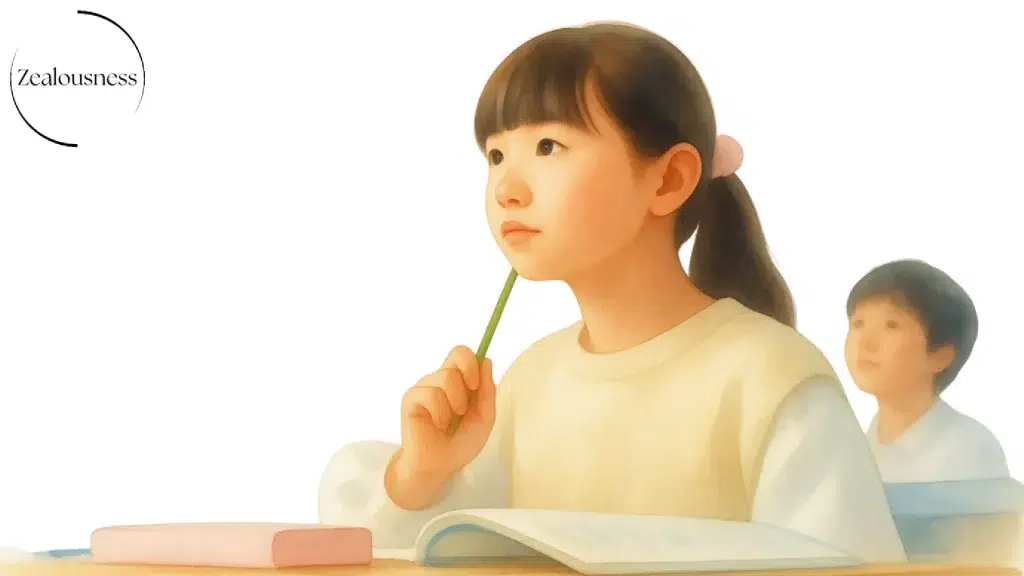
When Being Good Means Being Overlooked
Teachers have a lot to manage during a school day. With lessons to deliver, assignments to review, and students needing individual support, their attention is constantly divided. Naturally, children who need immediate assistance receive more attention. Meanwhile, the student sitting quietly in the corner continues with their work.
There is nothing wrong with this. Some children genuinely enjoy working independently and feel comfortable keeping to themselves. But being quiet and having no difficulties are two different things. A student might be doing well academically but struggling to make friends. Another might be confused about a lesson but too embarrassed to ask for help. Neither situation necessarily comes with an obvious warning sign, and that is what makes these students easy to overlook.
Does Every Child Feel Like They Matter?
Think about how it feels when someone remembers something small about you. Perhaps they ask how an important event went or notice that you seem unusually quiet. It may seem like a small gesture, but it tells you that someone is paying attention. Children need that feeling, too.
According to the Centers for Disease Control and Prevention (CDC 2024a), supportive relationships between teachers and students can strengthen students’ sense of connection to school. Research from the Organization for Economic Co-operation and Development (OECD 2025) also highlights an association between teacher support and positive learning experiences, including stronger academic performance and school belonging.
These findings suggest that the relationships children build at school deserve attention alongside their academic progress. After all, a good report card can tell us how a child is performing, but it cannot tell us everything about how that child feels.
Quiet Does Not Mean Less Capable
There is another side to this conversation that deserves attention. Not every quiet student is shy, unhappy, or lacking confidence. Some children simply prefer listening before speaking, while others feel more comfortable expressing themselves through writing, art, or conversations with other people. We should not expect every child to have the same personality.
Imagine a classroom discussion where the same few students answer every question. The teacher may appreciate their enthusiasm, but what about those who prefer to think before responding? They might have equally interesting ideas. Perhaps they just need a little more time or a different opportunity to share them. The goal is not to make quiet students louder, but to make sure they are included without asking them to become someone they are not.
Small Gestures Can Make a Difference
Making children feel included does not always require a special program or a major change in teaching methods. Sometimes, the smallest gestures are the ones children remember. Teachers and parents can start by checking in regularly, even when nothing seems off. Asking about friendships, school experiences, and personal interests can create opportunities for children to share their thoughts.
Recognizing effort beyond academic grades matters just as much. A child who shows kindness, creativity, or persistence deserves appreciation, even if they rarely speak during classroom discussions. Teachers can also offer different ways to participate, such as written responses or smaller group activities. Giving children time to express themselves and avoiding unnecessary comparisons can help them feel more comfortable being themselves.
The CDC (2024b) explains that students experience school connectedness when they feel cared for, supported, and valued by the people around them. These everyday interactions can help children develop that sense of belonging. For another perspective on children’s individual strengths, read Zealousness’s ”Every Child Finds Their Voice Differently: How Everyday Experiences Build Confidence.”
https://ineducationonline.org/2026/10/13/every-child-finds-their-voice-differently/
Sometimes, All It Takes Is One Question
At the end of a busy day, it is easy to ask children whether they finished their homework or behaved well at school. But perhaps we should also ask whether they enjoyed their day, felt included, or had something on their minds. Not every child will have a problem to share. Some may simply say everything was fine, and that is perfectly okay. What matters is that they know someone is interested enough to ask.
A child should not have to be the loudest in the room, achieve the highest grades, or get into trouble to receive attention.
Sometimes, the children who seem to need us the least still appreciate knowing that we are there. Because being a good student should never mean becoming an invisible one.
References
- Organisation for Economic Co-operation and Development (OECD). 2025. Teacher Support for Student Learning: Insights from PISA. OECD Education Policy Perspectives, no. 124. Paris: OECD Publishing. https://doi.org/10.1787/97b3a899-en.
- U.S. Centers for Disease Control and Prevention (CDC). 2024a. “Teacher Caring and Support.” August 28, 2024. https://www.cdc.gov/classroom-management/approaches/teacher-caring-support.html.
- U.S. Centers for Disease Control and Prevention (CDC). 2024b. “School Connectedness Helps Students Thrive.” November 18, 2024. https://www.cdc.gov/youth-behavior/school-connectedness/.