Beginning of Learning
Teaching your child starts in the womb. Parents can read to their babies and allow them to listen to classical music or their ABC’s being sung to them while they are expecting. Learning is possible when a mother allows herself to be her child’s first teacher.
What Do Experts Think?
There are reasons parents wait until their child reaches a certain age before allowing them to go to day care or Headstart. The research says that most childcare facilities are not trusted by some parents because they are thinking of their child’s well-being and safety. Hoiting states, “Further, infant and toddler care requires more individual attention and, therefore, a lower child-to-adult ratio, in comparison to childcare for preschoolers, which can result in both higher costs and fewer options for families.” (3) Parents want to know that their children are not only taught correctly but also treated in a positive, caring, and safe environment while they are at school. There is a degree of trust that a parent puts in the professional teacher’s hands when they leave their child with them at school. This is the reason professional development for teachers is so important. Curriculum and instruction are not the only skills an educator and paraprofessional must have, but they must nurture the social, emotional, nutritional, and kinesiological needs of the child. Children must be able to learn how to interact with other children in a positive way by sharing, taking turns, and raising their hand when they want to answer a question. Children must be able to learn the importance of exercise at recess and why healthy foods will help them grow up properly. Children must also learn to trust their teachers and understand how to go to them when they are upset.
Teachers and parents must work together in educating children. Teachers who lack experience in the classroom must learn how to handle children when things become difficult and stressful. Teaching is not easy. There is an amount of dedication and focus that goes not just into planning curriculum but also getting to know each student individually and knowing how they learn, then assessing the best way to teach them. There needs to be a support system between the lead teacher and their teacher assistant to build a classroom that embodies everything that children need in order to learn correctly and thrive, with little to no distractions. Brophy adds, “Infant and toddler educators actively work to build warm, secure relationships that foster children’s development, despite reporting high rates of stress and burnout.” (4957)
Teacher and Parent Relationship
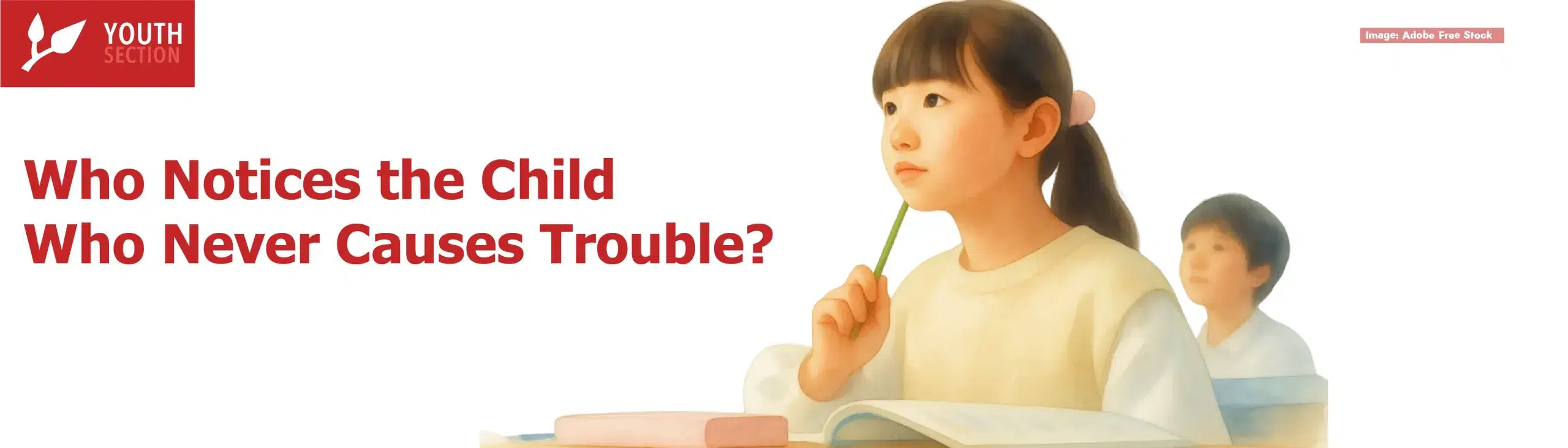
Parents advocate for their child’s education. They should be abreast of what the teacher is teaching their child and how their child is learning the information. Teachers should break down the information they are teaching young children and know how to help them when they are not understanding. For example, math is a subject that many children fear. Math fear develops because, in the beginning grades, usually Pre-K through 3rd grade, children are expected to automatically “see” the abstract nature of numbers. Teachers should illustrate concepts through pictures to help students see numbers, instead of just thinking of the correct numeric answer. Teachers are known to burn out, but the profession calls for those who are equipped to handle themselves in a stressful environment. Students need good teachers who are not going to give up on them or their education. Brophy adds, “Much work on teacher stress and well-being to date has focused on two streams. First, Jeon et al’s recent review (2026) showed that more than 60% of studies on educator well-being focus on depressive symptoms, personal stress, general mental health, and anxiety as indicators of well-being quality. Second, research has focused heavily on correlates of educator stress, such as educators’ characteristics, children’s behaviors, and classroom’s characteristics.” (Clayback & Williford, 2022) (4958)
Early Childhood Education Reform
The whole student should be educated. But it doesn’t just take parents trusting the education administrators—teachers, too, should invest the time and positive energy to share the skills they have learned to teach effectively. Efficient learning is important today because technology has replaced the student’s ability to think for themselves. Students often rely too much on the internet to give them the answers instead of finding them on their own. The full development of a child’s education begins when they are an infant. Allowing the child to learn with their brain and not electronic devices gives them the edge in today’s educational system, which has seemingly forgotten about printed books, pencils and paper, and the value of open discussion. Children listen and learn by hearing, seeing, and through touch, smell, and taste. They pick up on what adults do and say. Educators should focus their total curriculum of a child’s education on developing the child’s brain to think, investigate, and to learn how to write on paper. Pre-K educators should teach students the alphabet, numbers, good peer relationships, high self-esteem, and the importance of physical exercise, because this is the time when students are most dependent on adults for positive guidance. Let’s not fail them.
References
- Brophy-Herb, H. E., El Saedy, S., Stacks, A., Caringi, C., Tseng, C. F., Vallotton, C. D., & Borelli, J. L. (2026). “The Rewards and Stresses of Teaching for Infant and Toddler Educators.” Early Childhood Education Journal, 1-20.
- Clayback, K.A. & Williford, A.P. (2022). “Teacher and Classroom Predictors of Preschool Teacher Stress.” Early Education and Development, 33(8), 1347-1363. https://doi.org/10.1080/10409289.2021.1972902
- Hoiting, J., Halpern-Meekin, S., & Magnuson, K. (2026). “Not an option: How mothers with limited incomes view barriers to childcare use for infants and toddlers.” Children and Youth Services Review, 108933.