
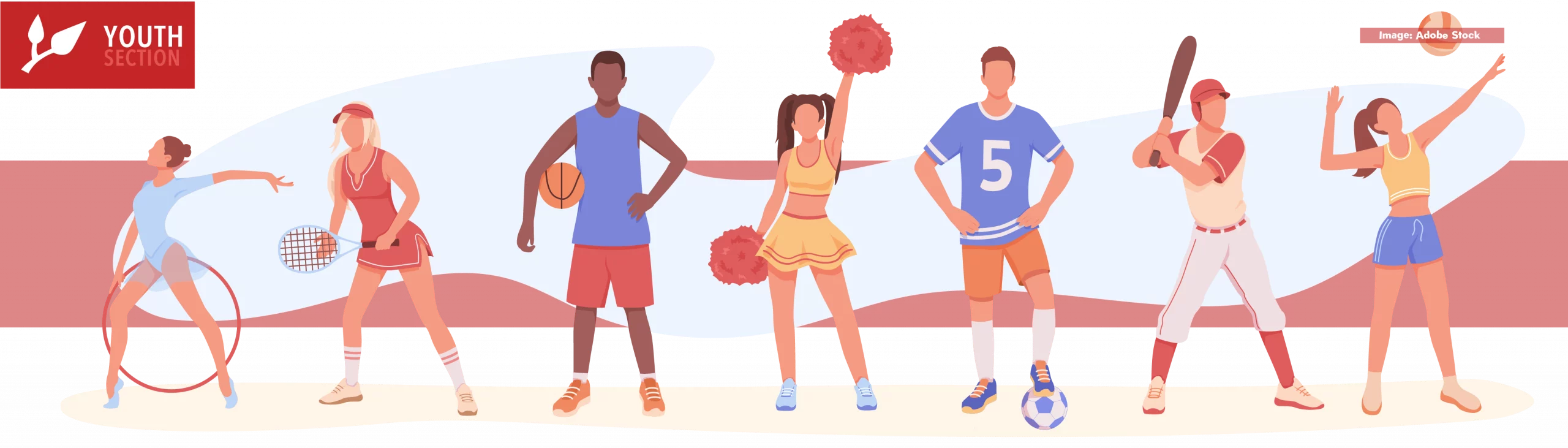
Youth sports give children more than exercise. They create structure, teach responsibility, and help young people understand how effort connects to progress.
Whether a child plays football, squash, basketball, athletics, swimming, cricket, or martial arts, sport gives them repeated opportunities to practice focus, teamwork, resilience, and self-control.
Confidence and discipline are not built through one match or one training session. They develop through routines, feedback, setbacks, and steady improvement.
Confidence Comes From Skill Development
Children build confidence when they see themselves improve. Learning to serve, pass, defend, sprint, balance, or compete under pressure gives young athletes proof that effort matters.
This is different from empty praise. Real confidence comes from competence.
A young player who could not hit a clean shot three months ago but can now complete a rally understands progress in a practical way. That experience carries into school, friendships, and other challenges.
Coaches and parents should focus on measurable improvement, not only winning. Better footwork, stronger communication, improved stamina, or more consistent effort all deserve recognition.
Discipline Starts With Routine
Youth sports teach discipline because they require repetition. Training happens on set days. Warm-ups must be completed. Rules must be followed. Equipment must be prepared. Teammates depend on each other.
This routine helps children understand commitment.
They learn that progress is not always exciting. Sometimes it means practicing the same movement, listening to corrections, arriving on time, and staying focused when tired.
For team sports and structured clubs, presentation also supports discipline. Matching kits, clear dress standards, and organized gear help young athletes understand that training is a shared commitment. In racquet sports, for example, squash uniforms can help teams create consistency for matches, clubs, and tournaments while reinforcing group identity.
Small standards shape bigger habits.
Sport Teaches Accountability
In youth sports, actions have visible outcomes. Missing practice affects preparation. Ignoring instructions can affect performance. Poor attitude can affect the team.
This makes accountability easier to understand.
Children learn that effort, preparation, and behavior matter. They also learn that mistakes are part of the process.
A missed shot or lost match is not failure if it leads to review and improvement. Good coaching helps young athletes ask better questions. What could I do differently? What should I practice? How can I support the team next time?
Accountability Skills Children Learn
Youth sports help children practice:
- Listening to instructions
- Accepting feedback
- Managing mistakes
- Supporting teammates
- Respecting officials
- Preparing equipment
- Showing up on time
- Finishing what they start
These habits are useful far beyond sport.
Teamwork Builds Social Confidence
Many children develop social confidence through sport because it gives them a shared purpose. They do not have to start with small talk. They start with the game.
Team environments teach communication, patience, and trust. Players learn how to encourage others, handle disagreement, and contribute even when they are not the strongest performer.
Individual sports also build social confidence. Athletes still interact with coaches, competitors, training partners, and officials.
The key is belonging. When children feel they have a role, they are more willing to speak, try, and take healthy risks.
Handling Pressure Builds Emotional Control
Sport places children in controlled pressure situations. A final point, penalty kick, race start, or close match creates stress in a safe environment.
With support, children learn how to breathe, reset, focus, and continue.
This builds emotional discipline. They learn not to quit after one mistake. They learn not to blame others immediately. They learn that frustration can be managed.
Parents can help by staying calm from the sidelines. If adults panic, criticize, or overreact, children often absorb that pressure.
Practical Support Matters
Children perform better when the adults around them create reliable support. This includes transport, schedules, rest, meals, safe equipment, and realistic expectations.
Coaches need proper planning. Parents need practical clothing and footwear for long training days, outdoor sidelines, travel, and volunteering. Durable casual workwear such as tactical jeans can be useful for adults helping at events, setting up equipment, or moving between work, errands, and sports commitments.
Support does not need to be complicated. It needs to be consistent.
Winning Should Not Be the Only Goal
Competition matters, but it should not be the only measure of success. If children believe only winning matters, they may avoid challenges that risk failure.
A better approach is to set performance goals.
Strong Development Goals
Useful goals include:
- Attend training consistently
- Improve one technical skill
- Communicate more during play
- Build endurance
- Show better focus
- Recover faster after mistakes
- Support teammates
- Respect opponents
These goals help children stay motivated even when results are mixed.
Coaches Shape the Experience
A good coach builds both skill and character. They correct technique, set standards, manage behavior, and create a safe learning environment.
Coaches should give specific feedback. “Move your feet earlier” is more useful than “try harder.”
They should also balance challenge with encouragement. Children need to be stretched, but not humiliated.
The best youth sports environments are firm, fair, and consistent.
Final Thoughts
Youth sports build confidence and discipline because they combine movement, routine, feedback, teamwork, and challenge.
Children learn that effort creates progress. They learn how to manage pressure, accept coaching, recover from mistakes, and contribute to a group.
The strongest sports experiences are not built around winning alone. They are built around habits that help young people grow on and off the field.









Comments are closed.