
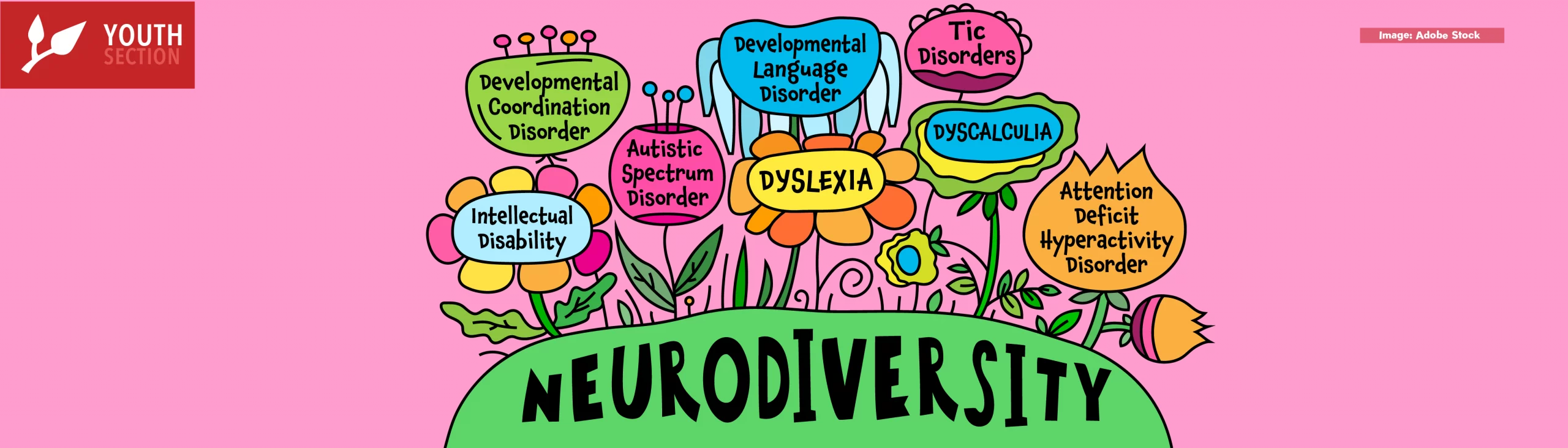
For years, I would hear about the health benefits of meditation. How it helps reduce anxiety and depression, helps you sleep better, and gives you better focus, along with a whole list of other benefits. It was recommended to me by mental health professionals countless times over the years, but they never told me that meditating can be hard. I felt like I was failing at something so simple. From what I was taught, you sit crisscross apple sauce on the floor, and then you simply close your eyes and empty your mind. But if you’re neurodivergent, or have ADHD like I do, then you know that there’s no “emptying your mind.” My mind is expansive and is often racing from one thought to the next. Because I couldn’t do it the same way everyone else did, I just figured that meditating must not be for me. I missed out on the health benefits of it for years, but you don’t have to. Here are some tips I use regularly to practice meditation as someone who’s neurodivergent.
Embrace Stimming
When I would participate in a group meditation class or watch a meditation video, everyone would always be so still. So I thought that’s what I needed to do, too. But people who are neurodivergent often experience something called “stimming.” The Attention Deficit Disorder Organization describes stimming as an unconscious, repetitive self-stimulatory behavior. To give some examples of stimming, an article from the NHS lists things like finger tapping, hand flapping, pacing, and humming as examples of stimming. Stimming goes against the traditional stillness of meditation, but you don’t have to sit like a rock in order to meditate. Make movements if that’s what you need to do: fidget your foot, tap your fingers, etc. The body doesn’t have to be absolutely still in order for your meditation session to be a success.
Skip the Silence
ADHD brains crave dopamine, and one way to get it is through stimulation. Because of this, silence aversion is common. I know that, for me personally, when I’m in a quiet place, I often find myself stimming by singing, humming, and maybe even screaming to break up the monotony of silence. So, you can imagine the mental pain that quiet meditation causes me. I wish someone had told me that I don’t have to sit in silence. If it’s too quiet for you, play some music. And it doesn’t have to be the tranquil stuff with bird sounds off YouTube; maybe Lo-Fi is more your speed. Just make sure that whatever you pick is instrumental. The goal of meditation is to connect with your own mind and thoughts, not someone else’s.
Try Guided Meditation
If emptying your mind doesn’t work, because you have racing thoughts, just let someone tell you what to do. As someone fairly new to meditation, I use guided meditations a lot. They give my brain something to focus on while still enjoying the benefits of rest. You can use YouTube videos, apps, or even do it on your own. Some different guided meditation techniques to try are:
- Body scanning. With body scanning you’re focusing on different parts of your body, seeing how they feel and noticing any sensations. You’re not trying to fix or change anything; you’re just connecting, with no judgment.
- Counting your breaths. This is simpler than a body scan. For this one I lie down in a comfortable pose and count the breaths I take. If I’m looking for something more challenging, I’ll do box breathing. You breathe in for four seconds, hold for four, breath out for four, and then hold again for four. Box breathing also helps to regulate your nervous system, stress, and urge to panic by bringing in more oxygen to your body.
- Sitting with your thoughts. This one takes some practice, but sitting and letting your mind wander is a form of meditation. The key is to catch your thoughts when they start to drift toward things like responsibilities or worries. I like to think of it as letting my mind take a “walk.”
When you’re neurodivergent, it’s important to find ways to make things work for you. The key to meditation is comfort. If sitting crisscross apple sauce on the floor doesn’t cut it, then try something else. And instead of working against your mind, try finding ways to work with it. I meditate daily now, and it has done so much for my quality of life. If you’ve ever wanted to start a regular meditation practice, I hope these tips will help. Have any tips or ideas of your own for meditating with neurodiversity? Let me know at leasiacubberley@gmail.com.
Read more articles related to mental health and wellness on our Zealousness blog.
References
- Attention Deficit Disorder Association. “ADHD Stimming: Why It Happens and How to Cope.” April 26, 2023. https://add.org/stimming-adhd/.
- Jha, Acharya, and Nepal. “Square Breathing.” Ball State University. Counseling Practicum Clinic, 2018. https://www.bsu.edu/-/media/www/departmentalcontent/counseling-practicum-clinic/pdfs-new-website/square-breathing.pdf?
- Leicestershire Partnership NHS Trust. “Stimming and Autism.” n.d. https://www.leicspart.nhs.uk/autism-space/health-and-lifestyle/stimming/.
- New Mind Wellness Center. “Why Silence Feels Uncomfortable for People with ADHD.” February 28, 2025. https://www.newmindpa.com/is-it-normal-to-dislike-silence-when-you-have-adhd/.UC Davis Health. “10 Ways Meditation Can Improve Your Health.” Cultivating Health, December 22, 2022. https://health.ucdavis.edu/blog/cultivating-health/10-health-benefits-of-meditation-and-how-to-focus-on-mindfulness-and-compassion/2022/12.











Comments are closed.