Classroom skills help you get a job, but what prepares you for a crisis? While academic knowledge is crucial, some of the most important lessons happen outside of textbooks. Basic emergency skills like CPR and first aid are often missed in regular schooling. Yet, they’re key for personal growth and being a responsible part of your community. Teaching students to act fast in an emergency isn’t just about safety; it builds competence, confidence, and a shared sense of well-being that helps everyone.
These skills change a student from someone who just watches to someone who can act and handle unexpected problems, whether on campus or at a future job. Knowing how to respond in the first few vital moments of an emergency is a powerful tool for any student.
Quick Response Saves Lives
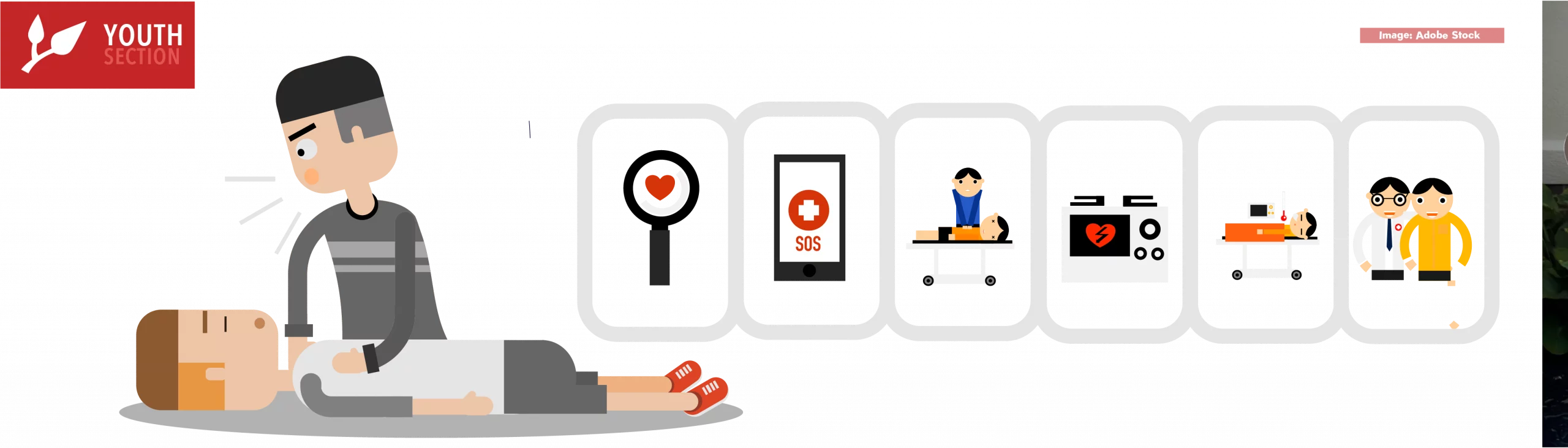
In a medical emergency, the minutes before professional help arrives are often the most important. For things like sudden cardiac arrest, the chance of survival drops a lot for every minute that goes by without help. A quick and correct response from someone nearby can truly save a life. When a student learns CPR and first aid, they become that crucial first link in the chain of survival.
Think about a common campus situation: a student chokes on food in a busy cafeteria, or a friend collapses during a basketball game. It’s normal for untrained people to panic and get confused. But a student who knows how to do abdominal thrusts or spot the signs of cardiac arrest can step in right away. They can give care, tell others to call for help, and make sure the area is safe until paramedics get there. These aren’t complicated medical procedures, just simple actions that make a huge difference.
Knowing a few basic life-saving skills can keep someone stable and stop them from getting hurt worse. This includes stopping serious bleeding, helping someone having an asthma attack, or recognizing stroke symptoms. By learning these techniques, students can protect their friends, family, and other people in their community.
Easy Access to Certification
Many people think emergency training is hard to get or takes too much time. But getting certified in CPR, AED use, and first aid is actually easier than ever. Lots of organizations now offer flexible training options that fit into a busy student schedule. This includes online courses and mixed programs that combine online learning with a short, in-person practice session.
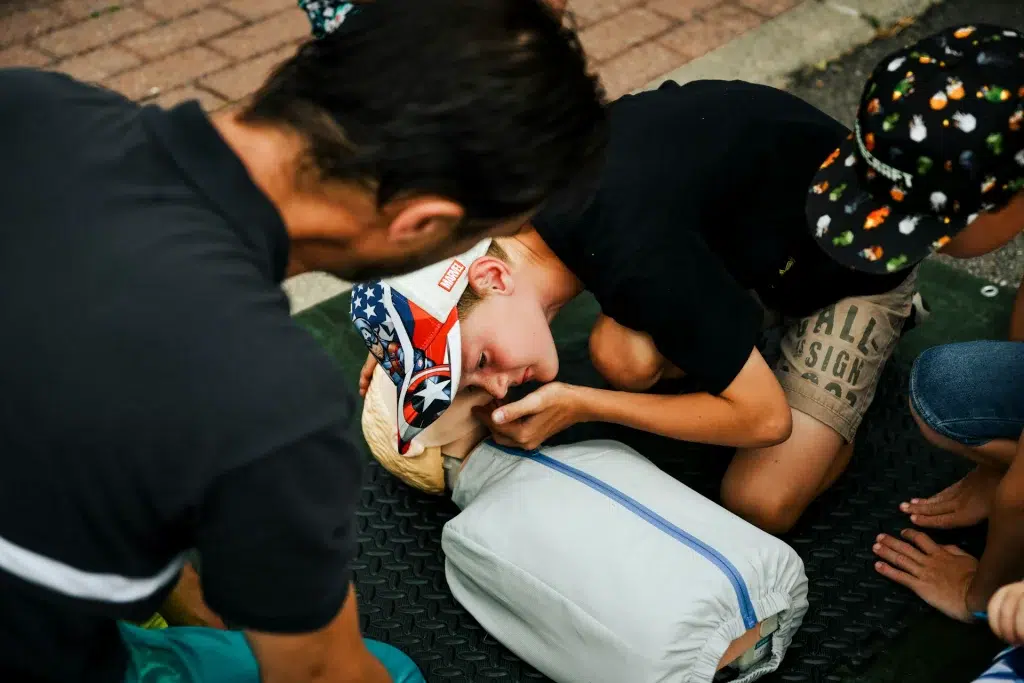
Because it’s so accessible, you don’t have to give up a whole weekend to get certified anymore. You can do the learning part at your own pace from your dorm or the library. You’ll learn the theory behind life-saving techniques through videos and interactive lessons. The hands-on part, where you practice things like chest compressions on a dummy, is often a single, quick session. Once you’re certified, keeping your skills up is just as simple, with many places offering online courses for your two-year CPR renewal.
This modern approach removes the old obstacles to training, making it a practical goal for any student. Schools and universities are also seeing the value of these skills more and more. They sometimes offer courses right on campus or work with local providers to give discounts. With a small amount of time, you can get a certification that stays useful for years.
Building Confidence and Responsibility
Beyond being able to save a life, emergency training also helps you grow personally. Learning to size up a situation, make a clear decision, and act quickly under pressure builds a lot of self-confidence. When you know you have the skills to handle a crisis, you’re less likely to freeze or feel helpless. This new ability can positively affect other parts of your life.
The sense of responsibility that comes with this training is just as important. It changes a student’s mindset from being a passive community member to an active and involved one. Knowing you can help makes you feel more connected to the people around you and encourages you to be proactive about safety and well-being. This fits with the main goal of education: to create not just knowledgeable graduates, but responsible citizens too.
This training helps young people learn important life skills like problem-solving and leadership. When an emergency happens, the trained person often becomes a natural leader, calmly guiding others and managing the situation. The role of first aid training goes far beyond just the medical response; it builds character and helps students become more capable and reliable people in all parts of their lives.
Enhancing Campus Safety
When more students learn emergency response, the whole campus becomes safer. One trained person can make a big difference, but a community of trained people creates a strong safety net. This is especially important at a university, where thousands of people live, work, and learn close together. Emergencies can happen anywhere: in a lecture hall, a dorm, a sports field, or a lab.
Having trained peers nearby means help is often just a few feet away. This can greatly reduce response times, which is crucial in many emergencies. It also helps fight the “bystander effect,” where people are less likely to help in an emergency when others are around. Training gives students the confidence and a clear plan to overcome this hesitation and act. A student who knows exactly what to do is much more likely to step forward than one who is unsure and afraid of making a mistake.
Ultimately, widespread training creates a culture of preparedness and mutual support. It sends a message that student safety is a shared responsibility. Many advocates believe that teaching first aid should be a standard part of the curriculum, recognizing how valuable it is for creating strong and safe educational environments.
A Valuable Resume Builder
While the main reason to learn emergency skills should be to help others, there are also clear career benefits. A CPR and first aid certification is a valuable addition to your resume. It immediately shows potential employers that you are responsible, proactive, and capable. For many student jobs, it’s not just a bonus; it’s required.
Jobs like childcare, coaching, camp counseling, and lifeguarding almost always need current certifications. If you plan to work with children or in any recreational role, having these skills will make you a much more competitive applicant. The same goes for students going into healthcare, from nursing and medicine to physical therapy and athletic training. Getting certified early shows your dedication to the field.
Even for jobs outside these areas, the certification matters. It shows initiative and a willingness to go above and beyond. An employer in any industry will see a candidate with first aid training as someone who stays calm under pressure and cares about the well-being of those around them. Given how certification is important for students, it’s a simple and effective way to make your resume stand out and highlight a unique and practical skill set.
Learning emergency skills is an investment in yourself and your community. It adds to your academic learning by building practical critical thinking, confidence, and a deep sense of responsibility, making you a more well-rounded and capable person.