
A child struggling to sit still during story time isn’t necessarily being defiant; their body might just be telling them what their brain needs. For generations, traditional education has focused on stillness and quiet as the cornerstones of a productive classroom. We often tell children to sit down, be quiet, and focus. Yet, a growing body of research and firsthand experience from educators and parents alike tells a different story.
Active movement isn’t a distraction from learning; it’s a fundamental part of it. Adding physical activity to a child’s daily routine can be one of the most effective ways to improve concentration, memory, and overall academic performance. It’s about understanding that for a young mind to stay engaged, the body often needs to be, too.
The Brain-Body Connection: More Than Just Wiggles
It’s easy to see a fidgety child and assume they aren’t paying attention. But those wiggles and squirms might actually be their brain’s way of trying to wake itself up. The link between physical movement and how our brains work is deep. When a child is active, their heart pumps more oxygen to the brain, which is vital for them to perform their best. But it goes beyond blood flow. Physical activity releases important brain chemicals, including endorphins, dopamine, and serotonin. These neurotransmitters are well-known for boosting mood, but they also play a big role in attention and focus.
Think of it like warming up an engine before a drive. Movement gets the brain ready for the tasks ahead. Research consistently shows that even short bursts of activity can lead to better behavior and improved cognitive skills in the classroom. This is because physical exertion helps to support kids’ mental health and reduce feelings of anxiety or stress, which are major barriers to learning. When a child feels calm and regulated, they are in a much better position to absorb new information, solve problems, and engage with their peers and teachers. The need for movement isn’t a behavioral flaw; it’s a biological necessity for a developing brain.
How Movement Primes the Brain for Learning
When we encourage kids to move, we’re doing more than just letting them burn off extra energy. We are actively setting the stage for effective learning. Physical activity has been shown to increase levels of a protein called brain-derived neurotrophic factor (BDNF). Experts often call BDNF “Miracle-Gro for the brain” because it helps existing neurons survive and encourages new ones to grow. This process is critical for memory and learning. More BDNF means a brain that is more flexible and ready to form the new connections needed to master skills like reading and math.
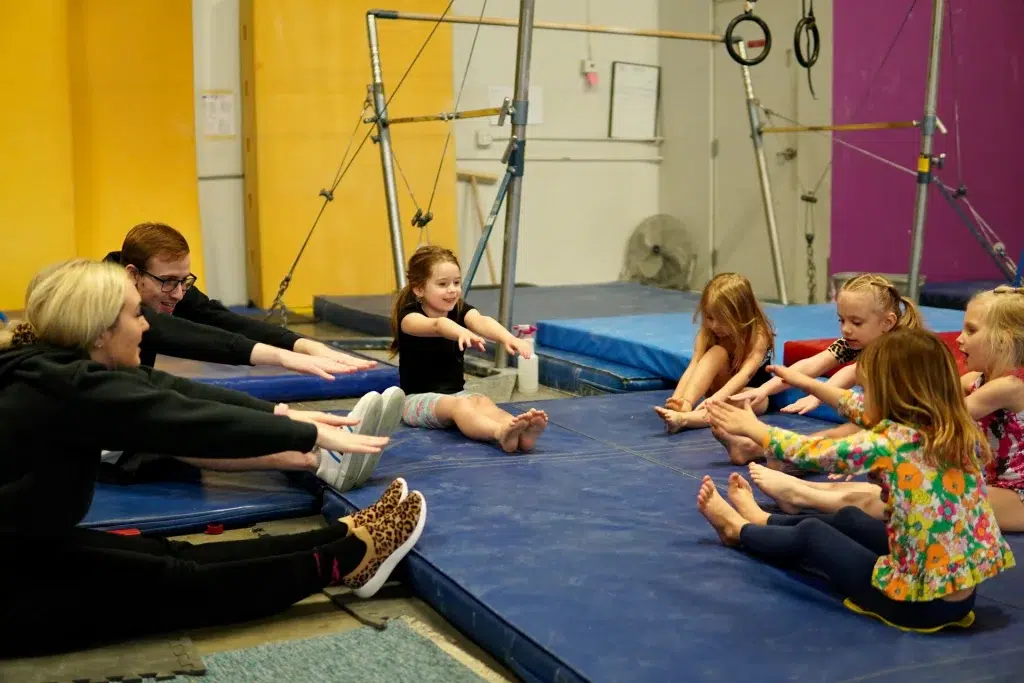
This is why activities that combine physical coordination with mental tasks are so powerful. They make both sides of the brain work together and strengthen neural pathways. For the youngest learners, structured programs like preschooler gymnastics classes offer a playful environment to develop these foundational skills. In such a setting, a child isn’t just tumbling or balancing; they are listening to instructions, waiting their turn, and learning to control their body in space. This blend of physical challenge and mental focus translates directly into better concentration in the classroom. The evidence is clear: physical activity improves learning and focus by creating an internal environment ripe for cognitive growth.
Structured vs. Unstructured Play: Finding the Right Balance
When we talk about movement, it’s important to recognize that not all activity is the same. Both structured and unstructured play offer unique and complementary benefits for a child’s development. Finding a healthy balance between the two is key to nurturing a well-rounded, focused learner.
Unstructured play is the free-form activity you see during recess or at the park. It’s child-led, spontaneous, and creative. During this time, kids invent their own games, negotiate rules with friends, and solve problems on the fly. This type of play is crucial for developing social skills, emotional regulation, and executive functions like planning and self-control. It gives them the freedom to explore their physical limits and their imagination without the pressure to perform.
On the other hand, structured play involves adult-guided activities with specific goals and rules. This includes organized sports, dance classes, or martial arts. These activities teach children how to follow directions, work as part of a team, and develop specific physical skills. The discipline required in a structured setting helps build focus and persistence. For example, a child learning a gymnastics routine must concentrate on a sequence of movements, a skill that directly supports their ability to follow multi-step instructions in academic work. A healthy routine for a child includes plenty of both: the freedom of the playground and the focused discipline of a class.
Practical Ways to Integrate Movement into a Child’s Day
Incorporating more physical activity into a child’s life doesn’t require a complete overhaul of your schedule or a big budget. Small, consistent changes can make a huge difference in their ability to focus and learn. The goal is to make movement a natural and enjoyable part of their daily rhythm, not another chore on the to-do list.
Here are a few simple ideas for parents and educators:
- Brain Breaks: In the classroom or during homework sessions, schedule short, 3-5 minute “brain breaks” every 20-30 minutes. These can be as simple as doing jumping jacks, stretching, running in place, or having a quick dance party.
- Active Commutes: If possible, walk or bike to school instead of driving. If you live too far, try parking a few blocks away and walking the rest of the distance. This provides a great burst of activity to start and end the school day.
- Turn Chores into Games: Make household tasks more active. Challenge kids to see how quickly they can put away their toys, have a “dusting dance party,” or carry laundry baskets.
- Weekend Adventures: Plan family outings that involve movement, such as hiking at a local park, biking, or visiting a playground with fun climbing structures. Exploring the connection between learning and movement can be as simple as a game of tag in the backyard.
- Fidget Tools: For some children, having a discreet fidget tool (like a stress ball or wiggle seat) can provide the sensory input they need to stay focused without disrupting others.
The key is to present these activities as fun opportunities, not requirements. When movement is associated with joy and connection, children are far more likely to embrace it as a lifelong habit.
Long-Term Benefits of an Active Childhood
The immediate boost in focus that comes from a run around the playground is just the tip of the iceberg. Building a foundation of physical activity in childhood lays the groundwork for lifelong cognitive and emotional health. Children who are regularly active tend to develop stronger executive function skills, which include working memory, flexible thinking, and self-control. These skills are essential for academic success and for navigating the complexities of adult life.
An active lifestyle also profoundly impacts a child’s resilience. The physical challenges they overcome in sports or on the playground teach them persistence and determination. They learn to try again after a fall, to work with others toward a common goal, and to manage the frustration of not getting something right on the first try. This builds a growth mindset, the belief that abilities can be developed through dedication and hard work.
Furthermore, consistent physical activity improves kids’ concentration over the long term, not just in the moments after exercise. Regular movement helps build a more efficient and well-regulated brain, making it easier for a child to sustain attention during quiet, seated tasks. By encouraging our kids to be active, we aren’t just helping them get better grades today; we are equipping them with the mental and emotional tools they need to thrive for years to come.
The next time you see a child running, jumping, or climbing, take a moment to appreciate what’s really happening. You’re not just seeing play. You are watching a brain light up, grow stronger, and get ready to learn.