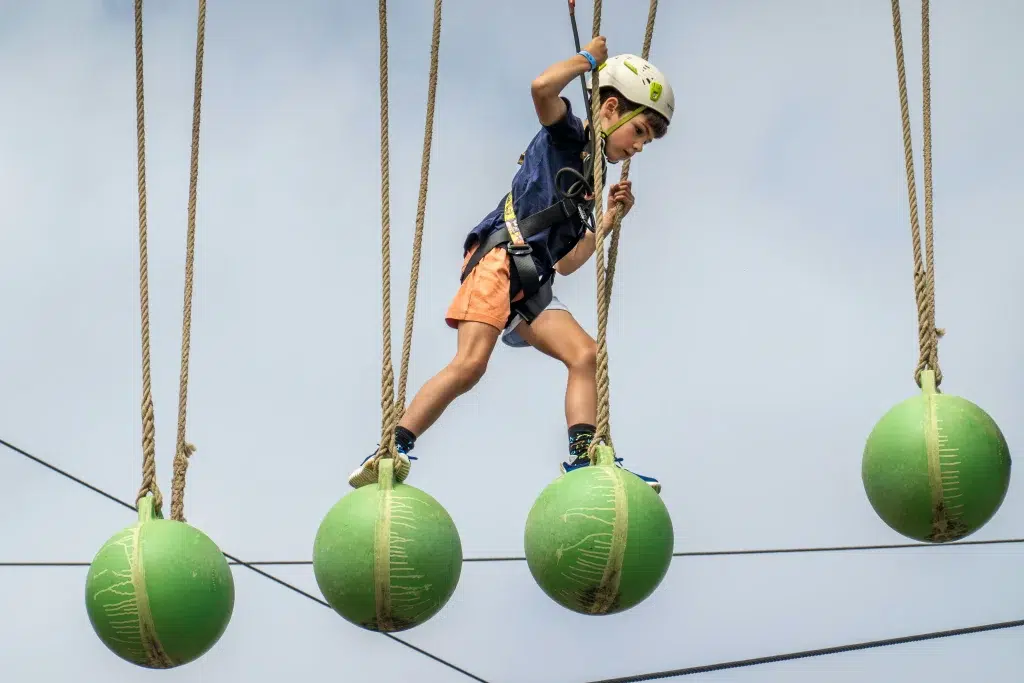
Young children often seem to have endless energy, a force of nature that can leave parents and caregivers both amazed and exhausted. While it’s tempting to just try to manage this constant motion, it’s actually the raw material for incredible growth. When kids channel this energy well, their natural urge to move becomes a powerful way to build a healthy body, a sharp mind, and a resilient spirit. Structured movement classes offer a great way to use this energy with purpose, providing benefits that go far beyond the gym or studio.
These programs are more than just a way for kids to burn off steam; they’re carefully designed learning environments. They give children a framework to safely explore what their bodies can do, while also helping them develop crucial cognitive and social skills they’ll use their whole lives.
Beyond the Playground: What is Structured Movement?
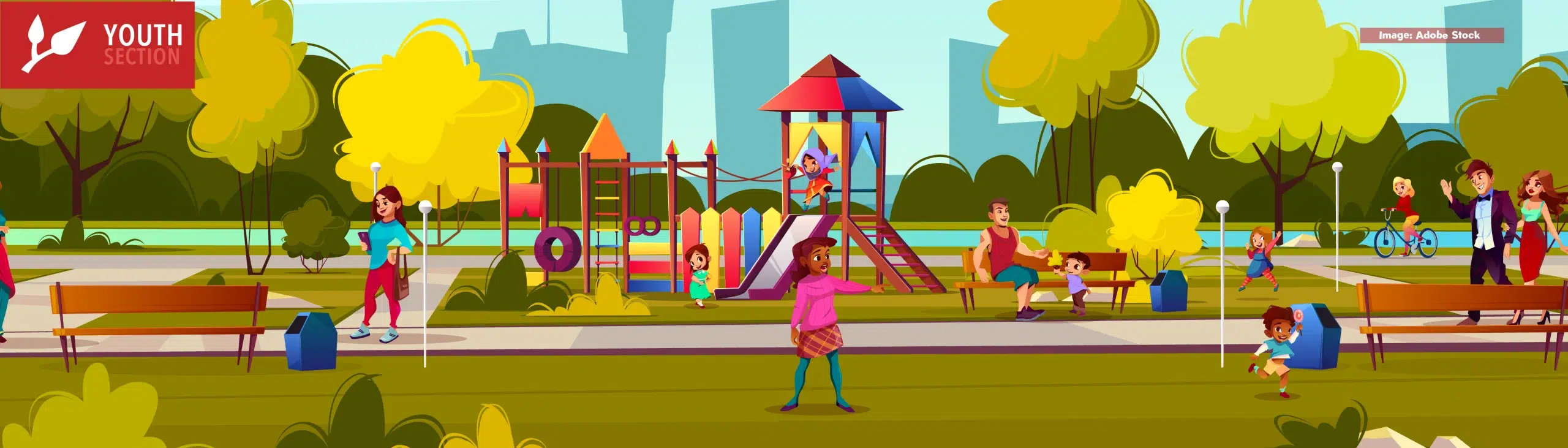
When we think of active kids, we often picture free play: running wild at the park, building forts in the living room, or chasing friends in the backyard. This kind of unstructured activity is super important for encouraging creativity, independence, and learning how to get along with others. But structured movement offers a different, yet equally valuable, set of advantages.
Structured movement is physical activity that an instructor guides, organizes, and plans with specific goals. This could look like a gymnastics class where children learn a sequence of tumbles, a dance lesson focused on specific steps, or a session where kids navigate a pre-set obstacle course. Unlike free play, an adult chooses and directs these activities to teach particular skills. The overall benefits of active play are well known, but adding structure creates new ways to learn.
The main difference is the instruction and progression. In a structured setting, a coach or teacher can break down complex movements into smaller steps, provide immediate feedback, and ensure everyone stays safe. This guided approach helps children reach physical milestones they might not on their own. It builds a foundation of coordination and body awareness that makes all other physical activities easier and more fun.
Building Strong Bodies and Sharper Minds
The most obvious benefit of structured movement classes is how they help kids develop physically. These programs are designed to improve gross motor skills, the movements that use the body’s large muscles for things like walking, running, jumping, and balancing. Activities like climbing, tumbling, and balancing on beams directly target a child’s proprioception – their sense of where their body is in space. This not only helps prevent injuries but also builds a strong base for long-term health and wellness.
To keep young children engaged, many programs use exciting themes. Classes like dance, gymnastics, or even high-energy little ninja classes turn skill-building into a fun adventure. Kids aren’t just “practicing balance”; they are “crossing a rickety bridge” or “leaping over lava.” This imaginative approach makes repetition enjoyable and encourages them to keep trying.
The benefits aren’t just physical. More and more research shows a strong connection between physical activity and how well the brain works. When children do coordinated movements, they’re also giving their brains a workout. Following multi-step instructions, remembering sequences, and adapting to new challenges all stimulate neural pathways. Regular physical activity has been shown to improve concentration and attention in school. The focus needed to walk on a balance beam or finish an obstacle course directly translates to the focus needed to sit and listen to a story or complete a puzzle.
The Social and Emotional Perks of Group Classes
Structured movement classes are often a child’s first group experience outside preschool or daycare, and the social dynamics are unique. Here, children learn vital social and emotional skills that are fundamental to their development. They learn to listen to an adult instructor who isn’t their parent, follow group rules, and wait for their turn. These simple acts of patience and respect are essential for success in school and beyond.
Working alongside peers also teaches cooperation and empathy. A child might cheer for a classmate struggling with a skill or learn to share equipment without conflict. They see others try, fail, and try again, which normalizes the learning process and reduces the fear of making mistakes. This shared experience builds community and belonging.
Plus, mastering a new physical skill is a huge confidence booster. The moment a child finally sticks a landing, climbs to the top of the rope, or completes a difficult sequence, their face lights up with accomplishment. This “I did it!” feeling is incredibly powerful. It teaches them that with practice and persistence, they can overcome challenges. This builds resilience and a positive self-image they carry into other parts of their lives.
How Structure Fosters Creativity and Discipline
At first glance, “structure” might seem to clash with “creativity.” We often link creativity with freedom and a lack of rules. However, in movement, structure can actually provide the perfect space for creative expression and problem-solving. When a child faces an obstacle course, the goal is set: get from point A to point B. But *how* they do it can be a creative act. They might try different ways to climb over a block or find a new technique for swinging on the bars. The rules offer a safe framework for them to experiment and innovate.
This environment also helps develop self-discipline. A group class naturally requires some impulse control. Children learn to wait for the instructor’s signal before starting an activity, to stay in their designated spot, and to keep their hands to themselves. This isn’t about rigid obedience, but about developing an internal sense of control and awareness.
This discipline is built through positive reinforcement and clear expectations. A good instructor doesn’t just demand compliance; they explain the “why” behind the rules (e.g., “We wait our turn so everyone is safe and gets a chance”). Over time, children internalize these principles. They learn to manage their own behavior, focus their attention, and keep going through frustration – skills essential for learning anything, whether it’s a cartwheel or long division.
Choosing the Right Program for Your Child
With so many options out there, finding the right structured movement class for your child can feel overwhelming. The best program is one that matches your child’s personality, energy level, and interests while offering a safe and encouraging environment.
Here are a few things to look for:
- A Focus on Fun: For young children, learning should feel like playing. Look for a program that uses imagination, games, and positive energy to teach skills. The instructors should be enthusiastic and clearly enjoy working with kids.
- Qualified and Caring Instructors: A great coach for young children is patient, encouraging, and good at breaking down movements into steps that kids can understand. Don’t hesitate to ask about their training and experience with preschoolers.
- Safety First: The facility should be clean, well-maintained, and have age-appropriate equipment. Look for soft landing mats, properly secured equipment, and instructors who are careful about safety rules.
- Appropriate Class Size: A smaller student-to-instructor ratio means each child gets individual attention and guidance. This is especially important for safety and learning skills effectively.
- Observe a Class: The best way to get a feel for a program is to watch a class in action. Pay attention to how the instructors interact with the children and how the kids respond. Do they look happy and engaged? This can tell you everything you need to know about whether it’s the right fit for your family and if the program knows how to boost physical activity effectively.
Ultimately, the goal is to find a place where your child feels successful, supported, and excited to move.
Investing in a quality structured movement program is an investment in your child’s overall development. It gives them the tools to build a strong body, the focus to sharpen their mind, and the confidence to navigate the social world, all while having a great time.