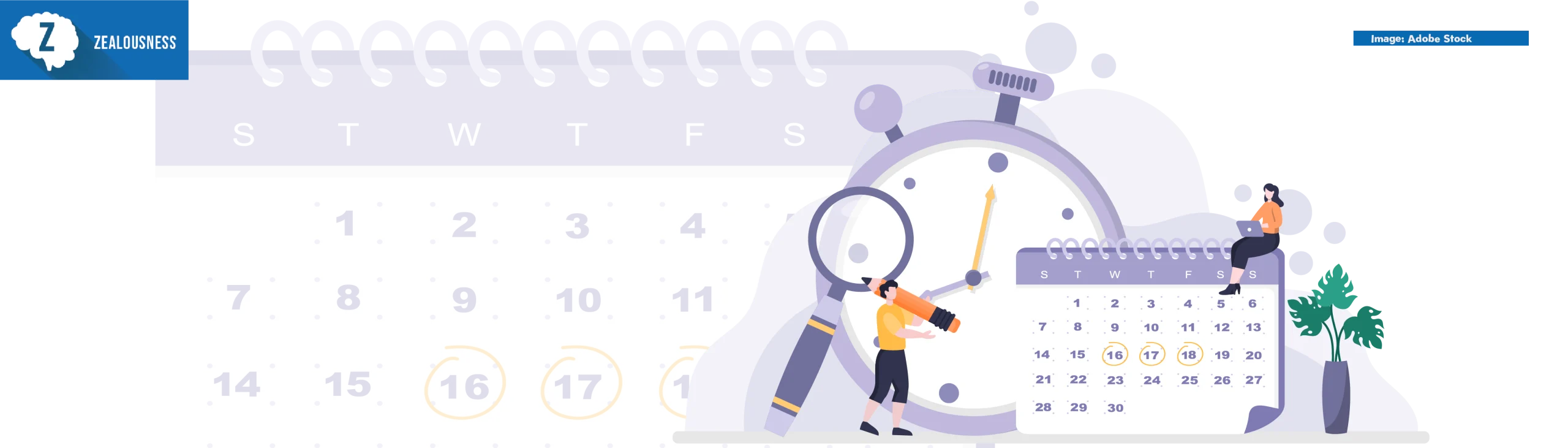

Effective organization isn’t just about having a tidy desk or a perfectly color-coded closet. It’s a fundamental skill that helps you manage your time, resources, and energy efficiently, leading to a better career and life. When you can bring order to chaos, you gain clarity, focus, and momentum. It’s not about being perfect, but about building systems that support your goals and make your daily activities smoother.
More Than Just Tidiness
Many people think organization just means neatness, but it’s much more than that. It’s really about creating logical structures for your information, tasks, and physical items. This could mean setting up a digital filing system so you can find any document in seconds, or it might involve planning your weekly schedule around your most important priorities. It’s about thinking ahead, anticipating what you’ll need, and arranging your environment, both physical and digital, to work *for* you, not against you. This proactive approach turns organization from a chore into a real advantage.
Boosting Productivity and Reducing Stress
A well-organized life directly leads to greater productivity and less stress. When you know where everything is and what you need to do next, you stop wasting mental energy searching for things or deciding on your next task. This clarity helps you get into a state of flow more easily, allowing you to work with more focus and efficiency, much like how environmental design can reduce stress for students. Studies show that getting organized can help mental health by reducing that overwhelming feeling. By putting organizational systems in place, you create a predictable and controlled environment. This fosters a sense of calm and gives you the confidence to tackle challenges.
Organizational Skills in Action
In the professional world, organizational skills aren’t just a bonus; they’re often essential. Project managers rely on them to track timelines, resources, and deliverables. Administrators use them to manage schedules and information flow, keeping an office running smoothly. In fields like hospitality and event management, organization is the key difference between a successful event and a chaotic one. These high-level skills are often learned through specialized training that turns organizational theory into practical, career-defining expertise.
Planning Events With Precision
Event planning is perhaps one of the clearest examples of organizational mastery. A successful event, whether it’s a corporate conference, a wedding, or a community festival, depends on flawlessly coordinating countless moving parts. An event planner has to manage budgets, vendor contracts, guest lists, schedules, and marketing materials all at once. This requires a strong system of checklists, timelines, and communication plans. For instance, a detailed master timeline might break down every task from a year out to the day of the event, making sure nothing is missed. This level of precision allows planners to anticipate problems, adapt to last-minute changes, and deliver a perfect experience.
Creating Seamless Guest Experiences
In the hospitality industry, organization directly impacts how satisfied customers are. From the moment a guest books a room until they check out, their experience is shaped by a series of organized processes. A hotel’s front desk needs to manage reservations without overbooking. Housekeeping requires a systematic approach to clean rooms efficiently between guests. A concierge must have a well-organized database of local attractions and services to give instant, accurate recommendations. When these systems work together smoothly, guests feel cared for and valued. This operational excellence is often invisible to the guest, but it’s the direct result of meticulous planning and highly organized staff. Learning to create these seamless systems is a key part of the curriculum at a leading hospitality school in Las Vegas, where future leaders master the art of the guest experience.
Ultimately, organization is a skill anyone can learn, and it pays off in every part of your life. By consciously developing systems to manage your time, space, and tasks, you build a strong foundation for greater productivity, less stress, and professional excellence.