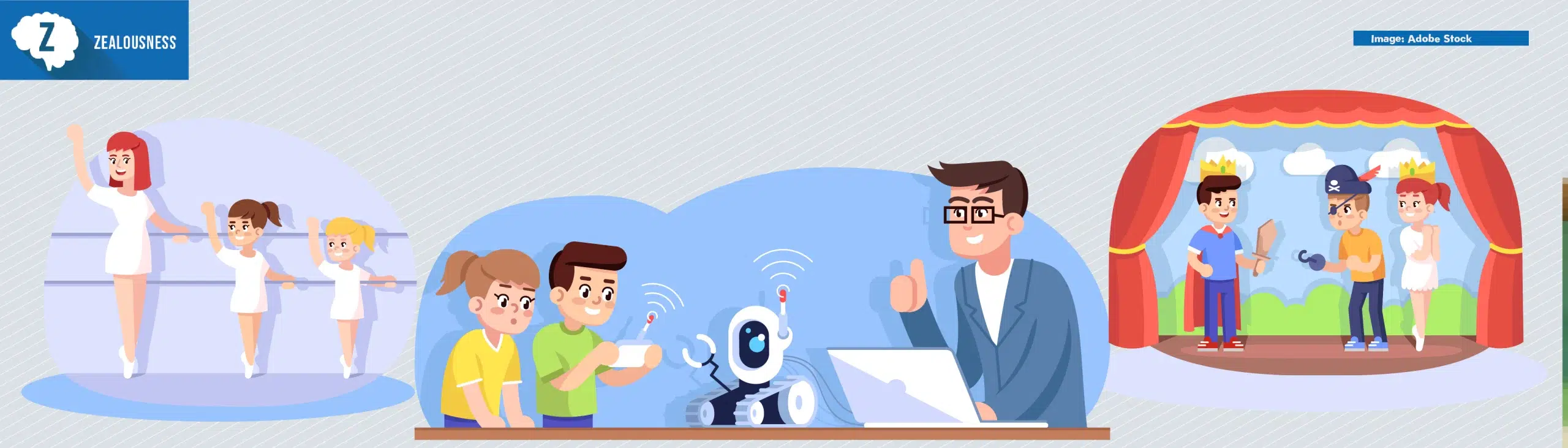
Picture a third-grader who spends every Thursday afternoon building robots, or a middle schooler who discovers a love of painting in an after-school studio. Moments like these change how kids see themselves, and they rarely come from the core classroom alone. The challenge is paying for them.
When budgets tighten, the easiest move is often to ask families for money, and that can leave some kids on the sidelines. The good news is that schools have more options than they might think. Here are seven practical ways to keep enrichment thriving without passing the bill home, along with the trade-offs to weigh for each.
Why Funding Pressure Is Growing
Schools aren’t alone in feeling the squeeze. A 2026 survey from the Afterschool Alliance, a national organization that tracks out-of-school learning, found that 88% of afterschool providers were worried about long-term funding.
That’s nearly unchanged from 2020, which suggests the pressure is ongoing rather than a one-time problem. Planning now, rather than waiting for a funding gap, gives your school more options and more time to choose the ones that fit.
1. Partner With Local Businesses for Sponsorships
Local shops, restaurants, and service providers often want to support youth and community programs. A simple sponsorship can cover supplies or a semester of a club, in exchange for a logo on a program, a banner at events, or a thank-you post on social media.
Keep the recognition modest and clear so the focus stays on students, and check that any sponsor fits your school’s community values.
2. Apply for Community and Foundation Grants
Many local foundations, civic clubs, and corporate giving programs fund education projects, especially when the goal is clear and measurable. A short proposal that names the program, the students it serves, and the cost can take a few evenings to write. Grants often come with reporting requirements, so plan how you’ll track attendance and outcomes from the start.
3. Host a Community Giving Day
A one-day campaign can bring in donations from alumni, neighbors, and former families. Set a specific goal, share progress during the day, and explain what each gift pays for, such as a set of science kits or a month of art supplies. Giving days work best when the message is simple, the ask is specific, and thank-you notes go out quickly.
4. Offer a Fundraising Discount Card
A fundraising discount card lets your group earn money while supporters save at nearby businesses. Companies like Easy Fundraising Cards design and print custom cards with your school’s name and a list of local merchants.
Because families pay for the card, it only works when the merchant list offers savings they’ll actually use. Keep the purchase optional, avoid pressure at school events, and check each month which merchants are redeeming offers so the card stays useful.
5. Organize Volunteer-Led Clubs
Parents, retirees, and local professionals often have skills they’d love to share. A volunteer-led chess club, coding hour, or gardening project can run with minimal cost, especially when the school provides space.
Check your district’s requirements for volunteers, such as background checks, and train helpers on your safety policies before the first session. Recognizing volunteers publicly is a simple way to keep them coming back.
6. Partner With Libraries, Museums, and Colleges
Libraries, museums, and nearby colleges often run free programs or lend equipment to schools. A university engineering student might lead a robotics session, while a local museum could offer a traveling exhibit or a guided visit.
These partnerships expand what students can experience without adding a line item to the budget, and they introduce kids to people and places they might not otherwise see.
7. Share Supplies and Resources
Pooling materials across grades or nearby schools can stretch every dollar. A shared bin of art supplies, a lending library of science kits, or a donation drive for gently used instruments keeps costs low.
Ask your community to donate what they no longer need, and inventory what you already have before you buy more. A simple spreadsheet works well for tracking who has borrowed what.
Keeping Family Costs Low
Small, deliberate choices make enrichment accessible to every family. These habits help keep costs visible and fair.
• Waivable fees: Make every optional fee waivable, and offer alternatives so no student is left out.
• Shared budgets: Spread costs across the wider school budget rather than one class.
• Clear reporting: Publish a simple budget so families can see where the money goes.
• Family input: Ask for feedback before launching a new program.
Final Thoughts
Enrichment programs work best when every child can take part. Mixing a few of these approaches usually works better than relying on one source. If you explore a discount card, Easy Fundraising Cards can help you plan the design and merchant list.
Start small, track results, and share your progress with families so they can see the impact of their support. The goal is simple: enrichment that every family can reach, without stretching household budgets.