
The healthcare industry offers some of the most stable and rewarding career paths available today. For many aspiring professionals, spending four or more years in college feels like a significant hurdle. Fortunately, a university degree isn’t the only way into this essential field.
Many vital healthcare roles can be started in a matter of weeks or months through focused, hands-on training programs. These pathways provide a direct route to employment and let you quickly make a tangible impact on patient care.
The Demand for Skilled Healthcare Workers
The need for qualified healthcare support staff is growing remarkably fast. As the population ages and medical services expand, hospitals, clinics, and diagnostic laboratories need a steady stream of skilled workers to function effectively.
The U.S. Bureau of Labor Statistics projects employment in healthcare occupations to grow much faster than the average for all occupations. This creates many opportunities for those with the right training. Roles in medical assisting, patient care, and diagnostic services are particularly in demand, offering job security and potential for advancement.
Short Programs, Big Impact
You don’t need to spend years in school to qualify for a fulfilling role in healthcare. Accelerated training programs are designed to teach you specific, in-demand skills in a condensed timeframe. These programs skip general education requirements and focus entirely on the core competencies needed for a particular job.
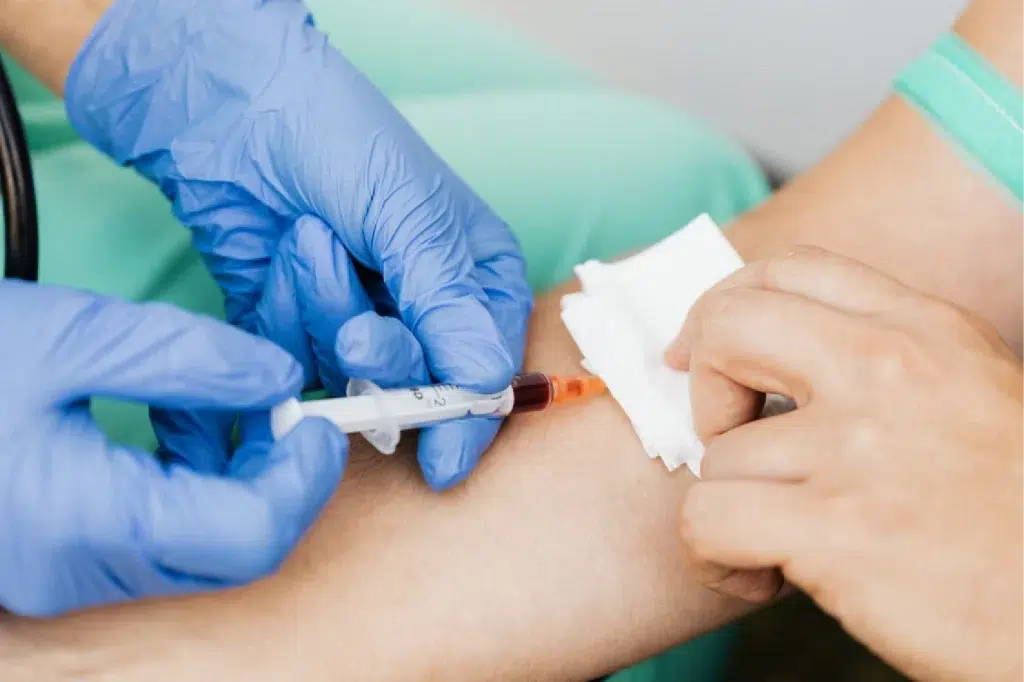
For example, a quality phlebotomy tech program can prepare you for an entry-level position in just a few weeks. By focusing on essential knowledge such as medical terminology, safety procedures, and venipuncture techniques, these courses offer a fast and effective entry into the medical field.
Beyond the Classroom Training
Knowing the theory is only part of the equation. To succeed in healthcare, you need practical, hands-on experience. The best training programs combine classroom instruction with extensive lab work and real-world practice. This approach ensures you’re not just learning concepts but also feeling competent and confident performing essential duties.
Effective training for health care jobs often includes externships or clinical rotations, where students work alongside experienced professionals in real-world medical settings. This invaluable experience helps bridge the gap between learning and doing, making graduates highly attractive to employers.
Career Services for Success
Completing a training program is a major accomplishment, but it’s also just the beginning. Reputable vocational schools understand this and offer strong career services to help students navigate the job market. This support can include help with writing a professional resume, practicing for interviews, and networking with local employers.
Some schools have established relationships with hospitals and clinics, giving graduates direct access to job openings. These services are crucial for turning your new certification into a sustainable career and ensuring you find a position that fits your skills and goals.
Making a Difference Every Day
A career in healthcare is about more than just a paycheck. It’s an opportunity to contribute to your community’s well-being, and you can even explore healthcare careers without years of schooling. Every role, from the front desk to the laboratory, plays a part in the patient experience.
As a phlebotomist, medical assistant, or patient care technician, you are often one of the first and most frequent points of contact for patients. Your professionalism, skill, and compassion can help ease anxiety and ensure they receive the care they need. This direct impact on people’s lives provides a deep sense of purpose and job satisfaction that is hard to find in other industries.