
Introduction to Healthcare Peptide Education
Healthcare peptide education has become an important area of interest as researchers, healthcare professionals, and the public continue to explore the role of peptides in modern medicine and biological science. Peptides are naturally occurring molecules that play essential roles in communication between cells and the regulation of various processes within the body.
Understanding healthcare peptides helps people learn how these molecules function, why they are studied, and how they may contribute to future medical advancements. With continuous developments in biotechnology, peptide research has expanded into areas such as drug development, disease research, and personalized healthcare solutions.
Peptide education provides a foundation for understanding the science behind these molecules while helping individuals recognize the difference between proven research, ongoing studies, and general claims about peptide applications.
What Are Healthcare Peptides?
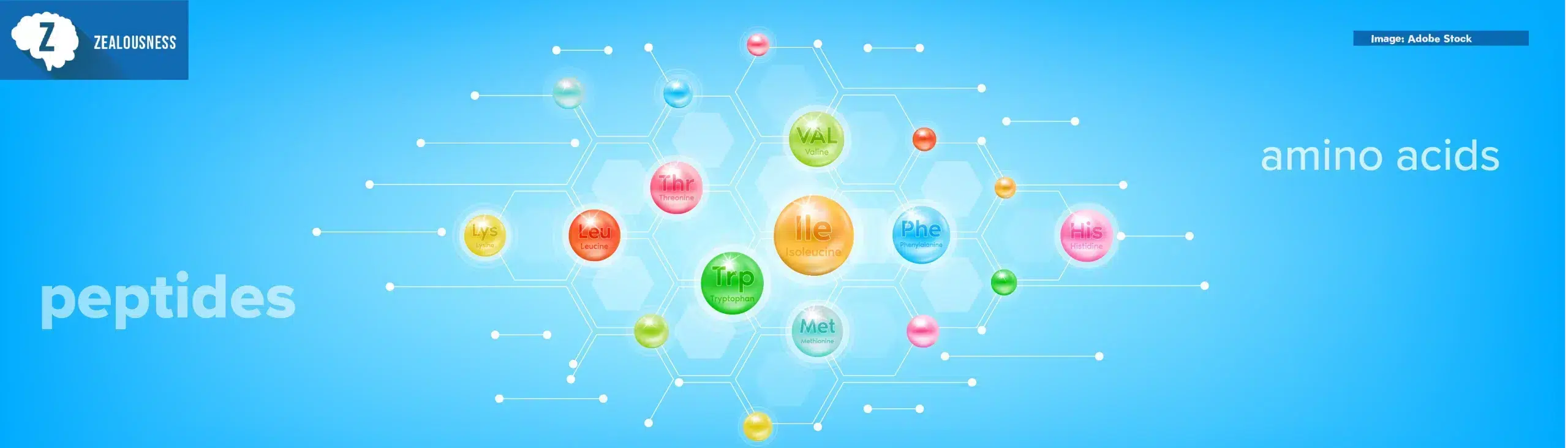
Healthcare peptides are short chains of amino acids that perform specific biological functions in the human body. Amino acids are the building blocks of proteins, and peptides contain smaller sequences that allow them to interact with cells and biological systems.
The body naturally produces many peptides that act as signaling molecules. These peptides help regulate communication between cells and support important processes such as immune responses, tissue maintenance, and metabolic activities.
Scientists also create synthetic peptides in laboratories to study their potential healthcare applications. These laboratory-designed peptides allow researchers to investigate how specific structures interact with biological systems and how they may contribute to future medical innovations.
The Importance of Peptide Education in Healthcare
Healthcare peptide education is important because peptide science is a rapidly growing field. As more peptide-based products and research studies become available, understanding the basics helps people make informed decisions.
Proper peptide education allows individuals to understand:
- How peptides interact with the body.
- Why researchers study specific peptide structures.
- The difference between scientific evidence and marketing information.
- The potential role of peptides in future healthcare advancements.
A strong understanding of peptides also helps healthcare professionals and patients communicate more effectively about emerging scientific developments.
How Peptides Work in the Body
Peptides work primarily by sending signals between cells. These signals help coordinate biological activities and influence how cells respond to different conditions.
Some peptides interact with receptors on cell surfaces, creating responses that affect specific biological pathways. Because peptides can target particular processes, researchers are interested in their potential role in developing more precise healthcare approaches.
The function of each peptide depends on its unique amino acid sequence and structure. Even small changes in peptide composition can affect how it interacts with the body.
Peptide Applications in Healthcare Research
Peptide research has expanded across multiple healthcare fields. Scientists are exploring peptides for their potential role in understanding diseases, improving treatments, and developing advanced medical technologies.
Drug Development
Peptides are being researched as potential components in new therapeutic approaches. Their ability to interact with specific biological targets makes them valuable in pharmaceutical research.
Researchers study how peptides can be designed to improve precision and effectiveness in future treatments.
Tissue and Cellular Research
Peptides are also studied for their relationship with cellular activities and tissue processes. Scientists continue exploring how peptide-based solutions may support future developments in regenerative medicine and healthcare technology.
Diagnostic Research
Some peptides are being investigated for their ability to interact with specific biological markers. This research may contribute to improved methods of identifying and studying certain health conditions.
Peptides and Personalized Healthcare
Personalized healthcare focuses on creating approaches that consider individual biological differences. Peptide research may contribute to this area by helping scientists develop more targeted solutions.
Because peptides can be designed with specific structures and functions, researchers are studying their potential for customized healthcare applications. This area continues to develop as scientists gain a deeper understanding of molecular biology.
The Role of Peptide Education for Patients and Professionals
Education plays an important role in ensuring accurate understanding of peptide science. Patients need reliable information to understand new healthcare developments, while professionals require updated knowledge to evaluate emerging research.
Healthcare peptide education encourages:
- Better awareness of scientific discoveries.
- Responsible discussions about peptide-related technologies.
- Improved understanding of research limitations.
- Greater confidence when evaluating healthcare information.
As peptide science evolves, continuous learning remains essential.
The Future of Healthcare Peptide Research
The future of healthcare peptide research continues to show significant potential. Advances in biotechnology and molecular science are helping researchers develop new ways to study and design peptides.
Future discoveries may expand the role of peptides in healthcare, including improved research methods, innovative therapies, and advanced medical technologies. However, continued scientific evaluation and regulatory processes are necessary to ensure safety and effectiveness.
Healthcare peptide education will remain valuable as this field grows, helping people understand new discoveries and their possible impact.
Conclusion
Healthcare peptide education provides essential knowledge about the science, functions, and potential applications of peptides in modern healthcare. These small biological molecules play important roles in communication between cells and continue to attract attention from researchers worldwide.
By understanding how peptides work and why they are studied, individuals can better appreciate the advancements taking place in biotechnology and medicine. As research progresses, peptides may continue to contribute to innovative healthcare solutions and scientific discoveries.