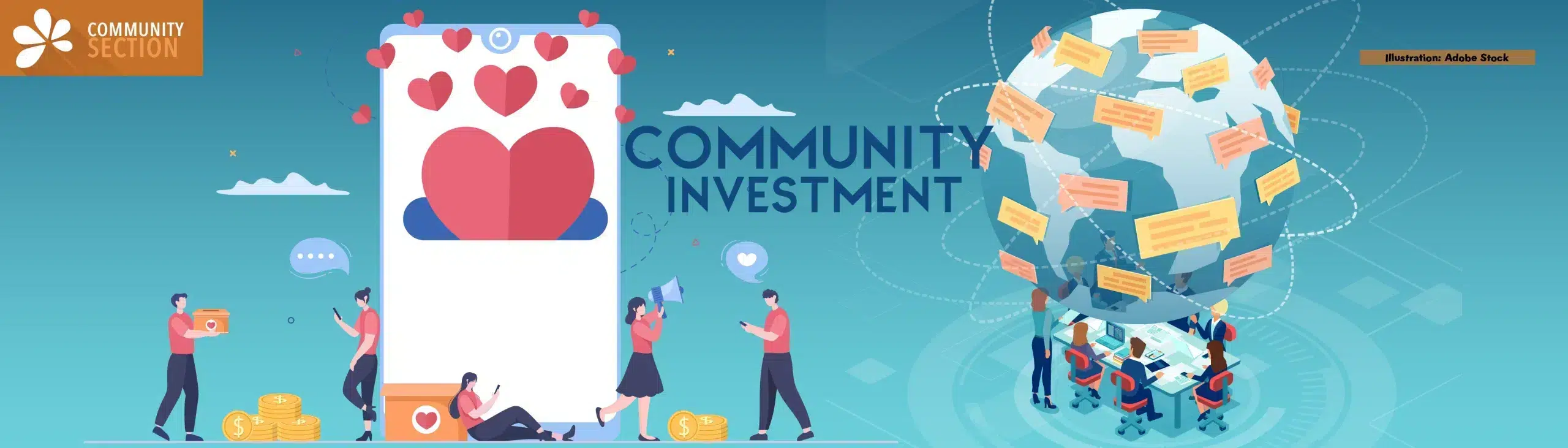
A strong community is built long before young people enter the workforce. It starts when students have opportunities to understand their strengths, explore careers, develop leadership skills, build confidence, and discover creative ways to contribute.
That is why youth education is becoming an important area of community investment for organizations that want to create lasting local impact. Credit unions, cooperatives, businesses, foundations, and other community-minded organizations can support programs that help young people prepare for school, careers, and life.
For organizations in Northeast Ohio, supporting career exploration programs in Northeast Ohio, leadership development, arts education, and other youth-focused initiatives can be a practical way to invest in the next generation while strengthening the communities they serve.
At iN Education, community involvement is built around collaboration. Businesses, schools, families, volunteers, and community leaders can contribute through partnerships, sponsorships, volunteering, and other support that expands opportunities for young people.
Why Are Credit Unions and Cooperatives Investing in Youth Education?
Credit unions have a longstanding connection to community education, particularly financial education. The National Credit Union Administration reported in 2026 that 55% of supervised credit unions offered financial education to members, while many also provided workshops and financial counseling. The NCUA also highlighted school partnerships, internships, and hands-on financial education for young people.
For credit unions and cooperatives, youth education can extend that community-focused approach beyond financial literacy.
Investing in young people can help organizations:
- Strengthen local communities
- Support educational opportunities
- Introduce students to career possibilities
- Build relationships with schools and families
- Create employee volunteer opportunities
- Encourage leadership and confidence
- Support future workforce development
- Create measurable community impact
The goal is not simply to fund a program. It is to create opportunities that help young people become confident participants in their communities.
What Does Youth Education Investment Actually Look Like?
Youth education investment means providing resources, experiences, mentorship, and learning opportunities that help young people develop academic, career, leadership, creative, and life skills. Support can include donations, sponsorships, workshops, mentoring, career exploration, internships, volunteering, and partnerships between nonprofits, schools, and community organizations.
This makes youth investment much broader than traditional classroom education.
A credit union might support financial literacy or career-readiness activities. A cooperative might sponsor a youth program or provide employee volunteers. A business might offer career speakers or mentorship. A nonprofit can bring the program structure and youth-development expertise needed to turn these resources into meaningful experiences.
Career Exploration Programs in Northeast Ohio Can Connect Education With Opportunity
Many students know they need to think about their future, but they may not know what careers fit their interests, strengths, or goals.
This is where career exploration programs in Northeast Ohio can make a difference.
Career exploration gives young people opportunities to move beyond the question, “What job should I choose?” and instead consider:
- What am I naturally good at?
- What subjects or activities interest me?
- What type of work environment suits me?
- What skills do I want to develop?
- What careers are available in my community?
- What education or training might I need?
- How can I turn my interests into a career?
These questions can help students approach their futures with greater clarity.
iN Education’s Cinterests Career Exploration & Training Cohort provides an example of this approach. Its 2026 spring cohort, sponsored by PPG Foundation, offered participants ages 16–30 a learning experience that combines self-discovery, career coaching, and real-world learning.
That is why youth education is becoming an important area of community investment for organizations that want to create lasting local impact. Credit unions, cooperatives, businesses, foundations, and other community-minded organizations can support programs that help young people prepare for school, careers, and life.
For organizations in Northeast Ohio, supporting career exploration programs in Northeast Ohio, leadership development, arts education, and other youth-focused initiatives can be a practical way to invest in the next generation while strengthening the communities they serve.
At iN Education, community involvement is built around collaboration. Businesses, schools, families, volunteers, and community leaders can contribute through partnerships, sponsorships, volunteering, and other support that expands opportunities for young people.
Career Exploration for Students in Northeast Ohio Should Go Beyond Job Titles
Students do not necessarily need someone to tell them which career to choose. They need opportunities to explore possibilities and understand themselves.
Effective career exploration for students in Northeast Ohio can include:
- Career-interest activities
- Strength and values exploration
- Industry discussions
- Workplace exposure
- Mentoring
- Career workshops
- Professional skill development
- Real-world learning experiences
- Conversations with working professionals
For community organizations, this creates an opportunity to contribute expertise.
A credit union employee could discuss careers in finance, technology, customer service, marketing, cybersecurity, or operations. A cooperative could introduce students to careers across its industry. Employees from local businesses can share their career journeys and help students understand what different professional paths actually look like.
That kind of interaction can make career possibilities feel more tangible.
Career Coaching Can Help Students Turn Exploration Into Action
Career exploration answers the question, “What possibilities are out there?” Career coaching can help students decide what to do next.
Career coaching for students in Northeast Ohio can support young people as they identify strengths, clarify goals, explore career options, and develop practical steps toward their future.
For young adults, this may include:
- Identifying interests and strengths
- Setting career goals
- Exploring education and training options
- Developing professional skills
- Building confidence
- Preparing for workplace experiences
- Understanding possible career pathways
Young adult career coaching in Northeast Ohio can be especially valuable as students transition from school into higher education, training, employment, or other forms of career development.
Community organizations can support this work by funding programs, providing mentors, hosting workshops, or creating opportunities for young people to interact with professionals.
Youth Leadership and Development Programs Northeast Ohio Communities Can Support
Career readiness is only one part of preparing young people for adulthood.
Students also need opportunities to develop communication, teamwork, confidence, decision-making, creativity, and leadership.
Youth leadership and development programs in Northeast Ohio can give young people a place to practice these skills, not just learn about them.
At iN Education, young people can participate in leadership and career exploration programs, volunteer at community events and workshops, contribute to the Zealousness Blog, and build communication, teamwork, and professional skills.
For a credit union, cooperative, or corporate partner, supporting these programs can create several points of connection:
- Employees can serve as mentors.
- Professionals can lead workshops.
- Organizations can sponsor youth programs.
- Students can learn about different career paths.
- Community partners can help expand access to programs.
The result is a partnership that brings together resources, experience, and young people’s potential.
Why Youth Arts Programs in Northeast Ohio Matter
Youth development should not be limited to career preparation.
Creativity gives young people another way to communicate, experiment, collaborate, and discover their strengths. Arts education can also create opportunities for students who may not see themselves reflected in traditional academic or career pathways.
Youth arts programs in Northeast Ohio can include workshops, creative events, exhibitions, cultural experiences, and opportunities for young people to develop and share their work.
At iN Education, schools and educators can partner around arts and creativity initiatives alongside leadership, career readiness, workshops, and school-community events.
Arts Programs for Students in Northeast Ohio Can Build More Than Creativity
Arts programs for students in Northeast Ohio can help young people practice skills such as communication, collaboration, problem-solving, creative thinking, and self-expression.
Community organizations can support these opportunities through:
- Program funding
- Event sponsorship
- Volunteer support
- Creative workshops
- Mentorship
- Equipment or materials
- Partnerships with schools and community organizations
iN Education’s Get Involved page also notes its recognition as a Distinguished Business/Organization for Art Education in Northeast Ohio (2025) by the Ohio Art Education Association.
Creating Art Opportunities for Youth in Northeast Ohio
For young people, an arts opportunity can be more than an activity. It can be a chance to discover a talent, build confidence, collaborate with others, or see a possible future in a creative field.
Businesses and community organizations can help create art opportunities for youth in Northeast Ohio by sponsoring creative programs, supporting youth events, providing professional speakers, or helping nonprofits expand access to arts education.
These investments can strengthen both individual development and community culture.
How Credit Unions and Cooperatives Can Support Youth Education
Organizations do not need to build an entire youth program from scratch.
One practical approach is to partner with an established nonprofit, like iN Education, that already works with young people.
The NCUA has documented examples of credit unions working with schools and community organizations on financial education, internships, and youth-focused programs.
Credit unions and cooperatives can support youth education through:
1. Corporate Donations
Corporate donations can help nonprofits expand programs, reach more students, purchase resources, and provide educational opportunities.
Organizations should evaluate a nonprofit’s mission, programs, community reach, and reporting before making a contribution.
2. Corporate Sponsorships
Corporate sponsorship opportunities can connect an organization with specific programs, events, workshops, or community initiatives.
Sponsorship can be particularly useful when an organization wants to support a visible community initiative while contributing to a larger youth-development goal.
3. Employee Volunteering
Employees can share professional knowledge, mentor students, assist at events, participate in workshops, or support community activities.
iN Education specifically identifies employee volunteer programs as one way businesses and community leaders can get involved.
4. Career Connections
Professionals can introduce students to industries they may not have considered.
For example, a credit union could connect students with professionals in:
- Finance
- Accounting
- Technology
- Marketing
- Human resources
- Cybersecurity
- Customer service
- Business operations
5. Long-Term Nonprofit Partnerships
A long-term relationship can combine funding, employee engagement, mentoring, career exposure, and educational programming.
These nonprofit partnerships can create more consistent opportunities than isolated donations.
Why Community Investment Should Be About More Than a Donation
A donation provides resources. A partnership can provide resources and relationships.
That distinction matters when supporting young people.
A successful community investment strategy can combine:
Funding + Expertise + Mentorship + Career Exposure + Volunteerism + Measurement
This approach lets businesses, cooperatives, and credit unions contribute what they do best, while nonprofit organizations provide program expertise and community connections.
iN Education describes its approach in similar terms, emphasizing collaboration among families, educators, businesses, volunteers, and community leaders. Its Get Involved page reports more than 20 years of community service, 45,000+ youth empowered, and 17+ school and academic partners.
How CSR Partnerships With Nonprofits Can Work
CSR partnerships with nonprofits work best when both organizations understand what they want to accomplish and how they will measure success.
Before partnering, organizations should ask:
- Does the nonprofit’s mission align with our community priorities?
- Is this partnership mutually beneficial?
- What programs will our support help deliver?
- Can our employees participate?
- Can we contribute expertise as well as funding?
- What outcomes can be measured?
- Is there an opportunity for a long-term relationship?
This process helps turn CSR initiatives into practical community programs rather than one-time promotional activities.
iN Education offers several ways for businesses and community leaders to participate, including corporate sponsorships, CSR initiatives, employee volunteer programs, community investment partnerships, event sponsorships, and strategic collaborations.
Corporate Donations to Nonprofits: What About Tax Benefits?
Tax considerations can factor into a company’s charitable giving decisions, but organizations should not assume every payment to a nonprofit receives the same tax treatment.
For federal tax purposes, corporations can generally claim a limited deduction for qualifying charitable contributions made to eligible organizations, subject to applicable rules and limitations. The IRS also states that most organizations described under Section 501(c)(3) can receive tax-deductible charitable contributions.
Businesses should verify the recipient’s eligibility and keep appropriate documentation. The IRS recommends maintaining records for charitable contributions, and additional substantiation requirements can apply to larger gifts.
Tax treatment depends on the specific circumstances, so businesses should consult their accountant or tax professional before making decisions based on deductibility.
The bigger opportunity is to combine responsible giving with meaningful corporate philanthropy and community impact.
Common Mistakes When Supporting Youth Programs
Choosing a Program Without Understanding Its Mission
A donation is more meaningful when the organization’s mission and programs align with the company’s community priorities.
Focusing Only on Visibility
Brand exposure can be part of a sponsorship, but community impact should remain central to the relationship.
Treating Giving as a One-Time Transaction
Long-term partnerships can create opportunities for mentoring, volunteering, career exposure, and continued program support.
Providing Money Without Expertise
Financial support is valuable, but employees may also have knowledge and skills that can benefit young people.
Not Measuring Outcomes
Organizations should establish realistic measures for understanding what their investment helped accomplish.
How Can Your Organization Support Youth Education in Northeast Ohio?
The answer does not have to start with a large commitment.
A credit union, cooperative, business, or community organization can begin by identifying one area where it can contribute meaningfully.
That could be:
- Sponsoring a youth program
- Funding career exploration
- Supporting arts education
- Providing employee mentors
- Hosting a career workshop
- Supporting leadership development
- Providing professional expertise
- Creating internship or career connections
- Making corporate donations
- Building a long-term nonprofit partnership
At iN Education, businesses and community leaders can choose from multiple ways to contribute, including volunteering, donating, sponsoring, partnering, and advocating.
Invest in Young People. Strengthen Northeast Ohio.
A community’s future depends partly on the opportunities available to its young people today.
Supporting career exploration programs in Northeast Ohio, leadership development, coaching, creative learning, and arts education gives young people more opportunities to discover their strengths and prepare for what’s next.
For credit unions, cooperatives, businesses, and other community organizations, the opportunity is not limited to writing a check. Corporate donations, corporate philanthropy, employee volunteering, sponsorships, career connections, and nonprofit partnerships can all contribute to meaningful youth development.
At iN Education, those connections bring families, schools, businesses, volunteers, and community leaders together to expand opportunities for young people and strengthen communities.
If your organization wants to support youth development programs in Northeast Ohio, explore how you can contribute through partnership, sponsorship, volunteering, or community investment.
Frequently Asked Questions
Why do credit unions support youth education?
Credit unions have a strong community and financial-education focus, and many provide financial education, workshops, counseling, school partnerships, and other youth-focused opportunities. Supporting broader youth education can extend that community investment into career, leadership, and personal development.
What are career exploration programs?
Career exploration programs help students understand their interests, strengths, values, and potential career pathways. They may include workshops, coaching, mentoring, workplace exposure, professional conversations, and hands-on learning.
How can businesses support youth development programs in Northeast Ohio?
Businesses can provide corporate donations, sponsor programs or events, volunteer, mentor students, offer career exposure, host workshops, provide professional expertise, or develop long-term partnerships with youth-serving nonprofits.
What are youth arts programs?
Youth arts programs provide young people with opportunities to explore creative expression through art, workshops, cultural activities, events, and other creative experiences. They can support creativity, communication, confidence, collaboration, and self-expression.
Can credit unions partner with nonprofits to provide youth programs?
Yes. Credit unions can collaborate with schools, community organizations, and nonprofits on educational initiatives. NCUA materials document credit-union partnerships involving schools and community organizations, including youth financial education.
How can a company measure the impact of its youth investment?
Organizations can track measures such as students served, program participation, volunteer hours, mentoring relationships, career experiences, educational opportunities, and other outcomes that align with the partnership’s purpose.