
Teaching is changing, but what makes a good educator has not suddenly become obsolete. If anything, they are becoming more important. Technology, changing student needs, and new approaches to learning are reshaping education, but teachers still need to build trust, make sound decisions, and understand the people in front of them.
For qualified teachers and education professionals, the challenge is not simply learning another digital tool. It is knowing which skills will help you remain effective as the profession changes.
That means looking beyond subject knowledge and classroom technique. Communication, adaptability, leadership, critical thinking, and an understanding of student wellbeing are becoming increasingly valuable.

AI Is Changing the Classroom, but Human Skills Still Matter
AI can save time, but it cannot replace the professional judgment you use every lesson. It may help draft resources, suggest feedback, organize ideas, or support planning, but it does not know your students the way you do.
It cannot see the quiet confusion on a student’s face, the tension between two classmates, or the small moment when a student finally feels confident enough to try.
The useful skill here is not simply “using AI”. It is knowing when technology helps learning and when it gets in the way. Teachers will need to ask better questions, check the quality of outputs, protect student privacy, and teach students how to think critically about what digital tools produce.
That means the most valuable educators will not be the ones who chase every new platform. They will be the ones who stay curious, careful, and clear about purpose.
Why Student Wellbeing Belongs in Every Educator’s Toolkit
Students learn better when they feel safe, known and able to take part. That does not mean teachers are expected to become counselors, psychologists or social workers. It does mean wellbeing has become part of everyday professional practice in Australian schools, because learning and wellbeing are closely connected.
Your role often involves noticing patterns, responding calmly, and knowing when to get extra support. Behavior changes, regular absences, withdrawal from peers, or a sudden drop in effort can all tell you something important. The key is to act within your role and follow the correct procedures.
Helpful wellbeing skills include:
- Building respectful relationships
- Creating predictable classroom routines
- Using calm, clear communication
- Recognizing when a student needs support
- Working with families and support staff
Good wellbeing practice is not about fixing everything. It is about creating the conditions where students can learn and ask for help when needed.
From Classroom Management to Leadership: Skills for a Changing Profession
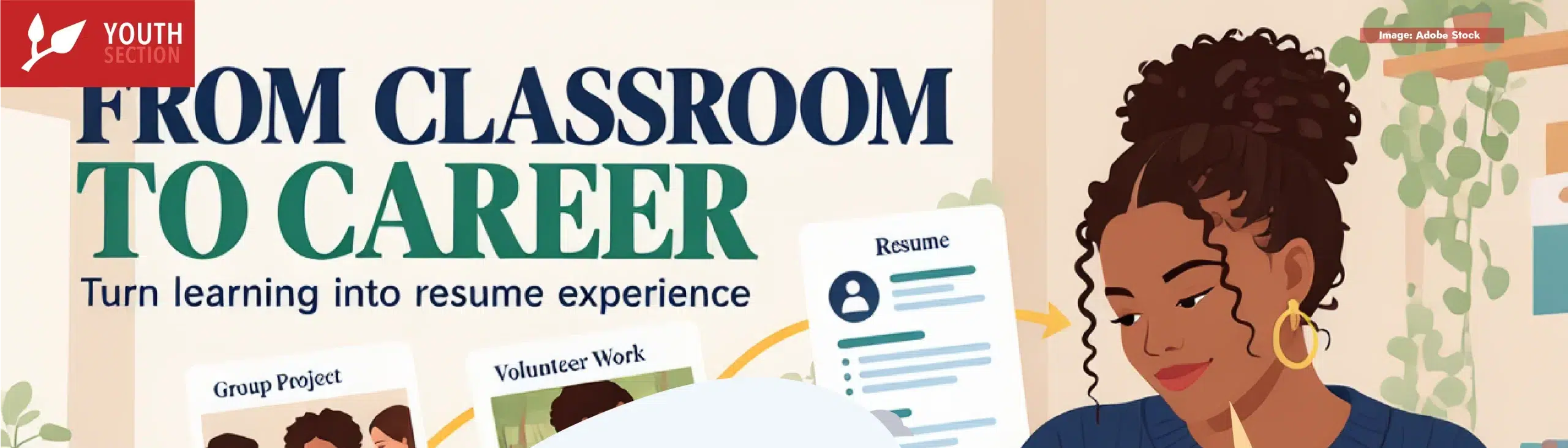
Many leadership skills begin in the classroom, well before you hold a formal title. Every time you lead a group, balance competing priorities, modify a plan, or assist students with conflict, you’re practicing leadership.
Classroom management, for example, can grow into team leadership. You learn how to set expectations, read group dynamics, and keep people focused. Assessment practice can grow into data-informed decision-making.
Parent communication can grow into stronger community engagement. Mentoring a graduate teacher can grow into instructional leadership.
The shift is about seeing your daily work differently. You are not “just teaching”. You are developing capabilities that can support roles in curriculum, wellbeing, professional learning, year-level leadership, school improvement, or system work.
Strong educators lead through trust, not noise. They listen well, communicate clearly, and bring people with them.
Building the Skills to Keep Growing Throughout an Education Career
A long career in education shouldn’t mean doing the same job in the same way for decades. Your skills develop as your interests, responsibilities, and opportunities change.
Take a moment to appreciate what you’re already good at. Then, think about which skills could help you reach your next major goal.
These might include:
- Communication, particularly difficult conversations and collaborative work.
- Leadership, including mentoring, decision-making, and influencing others.
- Digital literacy, with an emphasis on using technology thoughtfully rather than chasing every new tool.
- Critical thinking, especially when evaluating information, evidence, and new educational approaches.
- Wellbeing awareness, including recognizing concerns and knowing when to refer students for further support.
- Adaptability, so you can respond to changing expectations without losing sight of effective teaching.
Professional development works best when it connects to a genuine need. Completing a course like a master degree in education, developing a mentoring relationship, or taking on a new responsibility can all help you develop.
The key is to keep learning with purpose.
–
The future of education will need skilled people who can think, care, adapt, and lead. AI and new tools will continue to change how work is done, but they will not remove the need for strong relationships, sound judgment, and clear communication.
The skills you build in classrooms are not narrow. They are portable, valuable, and deeply human. Your professional toolkit should keep evolving. That is part of building a sustainable and rewarding education career.