The next generation of leaders is sitting in classrooms, exploring creative interests, volunteering in their communities, and beginning to imagine their futures. But talent alone does not prepare young people for leadership. They also need opportunities to build confidence, develop practical skills, meet mentors, and understand how their strengths can make a difference.
At iN Education, this belief is at the heart of the organization’s mission: helping people gain clarity, build confidence, and unleash creativity. For more than 20 years, iN Education has worked to empower young people through education, personal growth, leadership, and community involvement. Its work brings together students, families, schools, volunteers, and community leaders to help young people recognize their potential and explore what is possible.
Businesses have an important role to play in that effort.
Across Northeast Ohio, companies can support young people by partnering with nonprofits, sharing professional expertise, contributing resources, and creating opportunities that connect classroom learning with real-world experiences. These relationships can benefit students while allowing businesses to contribute meaningfully to the communities where their employees live and work.
For companies interested in making a difference, the first step does not have to be a financial commitment. It can simply be a conversation about shared values, community priorities, and opportunities to learn more about one another.
What Role Do Corporate Partners Play in Youth Development?
Corporate partners can help young people prepare for the future by contributing funding, professional expertise, volunteer time, mentorship, and access to learning opportunities. Through nonprofit partnerships, businesses can support leadership development, career exploration, creative learning, and practical life skills that complement classroom education.
These relationships also give students opportunities to hear from professionals, learn about different industries, and understand how their interests might connect with future possibilities.
For businesses, partnering with a youth-focused nonprofit is an opportunity to share what they know, learn about local community needs, and explore where their experience and resources could make a meaningful contribution.
Why Corporate Partnerships Matter for the Next Generation
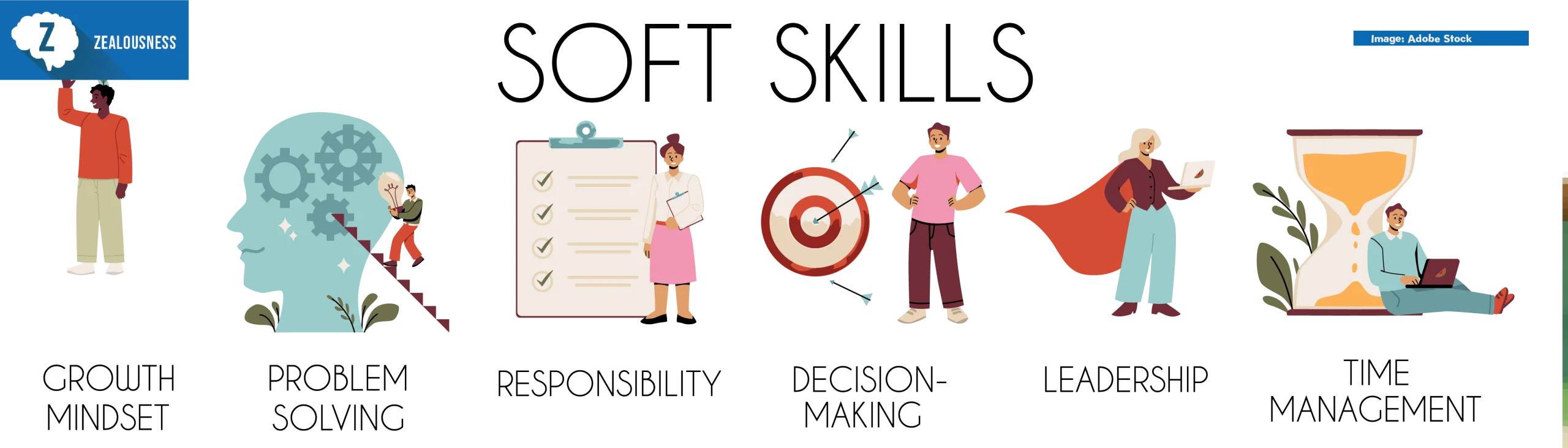
Students develop important academic skills in school, but preparing for adult life involves much more. Young people also need communication, collaboration, problem-solving, self-awareness, and decision-making skills.
Corporate community partnerships can help connect these skills with real-world experiences. A business professional might share insights about their career, explain workplace expectations, or volunteer to support a youth-focused community initiative. A company might also help a nonprofit expand an educational or creative opportunity.
These experiences can help young people:
- Discover interests and strengths they may not have explored before.
- Build confidence in communicating and working with others.
- Understand different career paths and workplace environments.
- Practice leadership, teamwork, and problem-solving.
- Connect classroom learning with real-world possibilities.
- Recognize how they can contribute to their communities.
For businesses, these connections offer a way to share knowledge and build relationships with schools, nonprofits, families, and community members.
Corporate Philanthropy Is About More Than Donations
Corporate philanthropy can take several forms. Financial contributions are valuable, but businesses can also share employee expertise, volunteer time, supplies, professional services, and connections.
The right approach depends on a company’s interests, available resources, and the needs of the nonprofit it supports.
1. Corporate Donations to Nonprofits
Financial contributions can help nonprofits sustain existing initiatives, respond to community needs, and develop additional opportunities for young people.
Corporate donations to nonprofits may support educational resources, youth activities, leadership development, creative learning, or other mission-aligned initiatives. Businesses can begin by learning about an organization’s priorities and understanding how financial support could contribute to its work.
2. Corporate Sponsorship Opportunities
Sponsorships allow companies to support a particular event, initiative, or educational opportunity. Depending on the arrangement, a sponsor may provide funding, supplies, professional expertise, or other resources.
For businesses exploring corporate sponsorship opportunities, the most useful starting point is understanding the purpose of the initiative, who it serves, and how it connects with the company’s values.
3. Employee Volunteer Programs
Employees bring valuable knowledge and practical experience to community initiatives. Businesses can encourage employees to volunteer, assist with events, support educational activities, or share insights about their professional journeys.
These experiences give employees a chance to contribute personally while helping young people learn from professionals in different fields.
4. In-Kind Contributions and Professional Expertise
Not every contribution needs to be financial. Businesses may be able to share equipment, materials, technology, creative expertise, or professional services that support a nonprofit’s work.
For example, a communications professional might offer guidance on presenting ideas, while a business owner could discuss entrepreneurship and the skills involved in building a career. The value lies in identifying where a company’s strengths align with a nonprofit’s actual needs.
How CSR Initiatives Can Support Youth Education in Northeast Ohio
Corporate social responsibility (CSR) initiatives give businesses a structured way to contribute to social and community priorities. Supporting youth development can be one part of that commitment.
In the Northeast Ohio community, businesses can explore opportunities such as:
- Supporting youth-focused nonprofit programs.
- Encouraging employees to share their professional skills.
- Sponsoring educational and community activities.
- Helping students explore career possibilities.
- Supporting creative learning and youth leadership.
- Building relationships with community organizations.
An effective approach begins with understanding what local organizations are already doing and where additional support may be useful. Rather than assuming what a community needs, businesses can learn directly from nonprofit partners and explore areas of shared interest.
For companies considering a community partnership, this discovery process can help identify opportunities that align with both organizational priorities and the nonprofit’s mission.
From Professional Experience to Career Exploration
One of the most direct ways corporate partners can help young people is by making career possibilities easier to understand.
Students may know the names of familiar professions without knowing what those jobs involve day to day. They may also be unaware of careers that match their interests, strengths, or preferred ways of working.
Businesses can help close this information gap by sharing practical insights into their industries, explaining workplace responsibilities, and helping students understand the skills different roles require.
Career Exploration Programs in Northeast Ohio
Career exploration programs in Northeast Ohio can help students connect personal interests with potential education, training, and employment pathways. Corporate partners can complement these efforts by sharing professional experiences and explaining how classroom skills are used in real workplaces.
For example, a company might introduce students to different roles within its industry or invite professionals to discuss the skills that helped them enter their fields. The specific activity should be shaped by the nonprofit’s program structure and the students’ needs.
These conversations can help students ask better questions, consider new possibilities, and make more informed decisions about their next steps.
Career Exploration for Students in Northeast Ohio
Career exploration for students in Northeast Ohio is especially valuable when young people have opportunities to investigate several paths before committing to one direction.
Corporate volunteers can explain the differences between roles, describe common workplace challenges, and discuss the importance of communication, adaptability, teamwork, and continued learning.
For young adults, young adult career coaching in Northeast Ohio may also be relevant when looking for help connecting strengths and interests with career possibilities. Businesses interested in supporting this area can explore how their professional knowledge might complement services provided by nonprofit partners.
Similarly, career coaching for students in Northeast Ohio should only be presented as a specific service when a provider confirms that it is offered. Corporate partners can still contribute meaningfully by sharing career knowledge and supporting established career exploration activities.
The goal is not to tell young people which careers to choose. It is to help them understand their options and feel better equipped to explore them.
Leadership Development Starts With Real Opportunities
Leadership develops through practice. Young people need opportunities to communicate ideas, work through challenges, listen to others, and take responsibility for their decisions.
Businesses can support this growth by sharing leadership experiences, encouraging teamwork, and helping nonprofits create opportunities where students can practice these skills.
Youth development programs in Northeast Ohio can bring together personal growth, practical skills, and community involvement. Corporate partners can strengthen these efforts by contributing resources, expertise, and opportunities that align with a nonprofit’s goals.
Likewise, youth leadership and development programs in Northeast Ohio can benefit from relationships that help young people see how leadership works outside the classroom. A conversation with a team leader, entrepreneur, or experienced professional can help students understand that leadership involves accountability, collaboration, and a willingness to learn.
Businesses do not need to create an entirely new program to contribute. They can start by learning about a nonprofit’s work and exploring where their experience or resources might be useful.
Why Creativity and the Arts Belong in Youth Development
Preparing young people for the future is not only about workplace skills. Creativity gives them opportunities to express ideas, explore interests, approach problems differently, and develop confidence in their abilities.
Corporate partners can help support creative learning by contributing materials, professional expertise, sponsorship, or connections with community organizations.
For families and businesses researching youth arts programs in Northeast Ohio, it is worth looking at how creative experiences can complement broader youth development goals. Arts programs for students in Northeast Ohio may encourage self-expression, collaboration, communication, and problem-solving, depending on the activity.
Businesses can also help connect young people with art opportunities for youth in Northeast Ohio by supporting established arts initiatives and learning what local organizations need.
These contributions should reflect the interests of young people and the actual programs available. The goal is to help expand meaningful opportunities for creative growth.
How to Explore a Meaningful Corporate-to-Nonprofit Partnership
A successful partnership begins with shared goals, open communication, and a realistic understanding of what each organization can contribute. Businesses interested in connecting with a nonprofit such as iN Education can begin with a few simple steps.
- Learn about the organization’s mission. Explore its work, the communities it serves, and the goals behind its programs.
- Identify shared interests. Consider whether your company’s priorities connect with youth development, education, leadership, career exploration, creativity, or community engagement.
- Start a conversation. Ask about current initiatives, community needs, and the kinds of support or collaboration the organization is exploring.
- Discover possible ways to contribute. Depending on the fit, opportunities might include corporate donations, sponsorship, employee volunteering, professional expertise, or in-kind support.
- Discuss what a relationship could look like. If there is mutual interest, explore practical next steps, responsibilities, timing, and ways to understand the value of the collaboration.
Not every relationship needs to begin with a large commitment. Taking time to learn about one another can help both organizations determine whether their goals and priorities align.
Start a Conversation With iN Education
Common Mistakes Businesses Should Avoid
Corporate philanthropy and community investment are most useful when they respond to real needs. Businesses can make their involvement more meaningful by avoiding a few common mistakes.
- Treating donations as the entire relationship: Funding matters, but nonprofits may also benefit from employee expertise, volunteering, and ongoing collaboration.
- Choosing activities without consulting the nonprofit: Learn what support is needed before deciding which resources or programs to fund.
- Expecting immediate results: Youth development takes time. Set realistic expectations and recognize that different activities produce different outcomes.
- Overlooking employee participation: When appropriate, employees can contribute skills and perspectives that complement financial support.
- Making unsupported impact claims: Report verified contributions and outcomes honestly rather than assuming that a donation automatically produces a specific result.
A thoughtful partnership is built around shared priorities, mutual respect, and a willingness to understand what the community needs.
How iN Education Helps Bring Communities Together
For more than 20 years, iN Education has worked to empower young learners by creating connections between education, creativity, personal growth, and community involvement.
With more than 45,000 young people empowered and 17+ school and academic partners reported through its work, iN Education recognizes that helping young people reach their potential takes more than one organization. It takes families, educators, community leaders, and businesses working toward a shared purpose.
Businesses bring valuable real-world experience, professional insight, resources, and perspectives that can help young people see possibilities beyond what they already know.
For iN Education, the goal is to connect with people and organizations who believe every young person deserves opportunities to discover their strengths, develop confidence, and imagine a meaningful future.
Businesses and community leaders interested in learning more can visit the iN Education Get Involved page to explore the organization’s approach to corporate sponsorships, CSR initiatives, employee volunteering, community investment partnerships, and strategic collaborations.
Shaping Tomorrow’s Leaders Starts With What We Do Today
The next generation of leaders needs more than encouragement. Young people need opportunities to discover their strengths, develop practical skills, explore careers, express their creativity, and connect with people who can help them understand what is possible.
Corporate philanthropy, employee volunteering, sponsorships, and nonprofit partnerships can all contribute to that process. When businesses work alongside community organizations, they can help connect learning with real-world possibilities.
For companies across Northeast Ohio, supporting youth development is an opportunity to learn more about local needs, share professional experience, and explore ways to contribute to stronger communities.
iN Education welcomes businesses, community leaders, volunteers, and other organizations interested in helping young people learn, lead, and grow. If your company is curious about its work, start by exploring the mission and discovering whether there may be a natural fit between your organization’s priorities and iN Education’s cause.
The journey from boardroom to classroom can begin with a conversation—and a shared interest in helping the next generation thrive.
Frequently Asked Questions
1. How can businesses support youth development programs in Northeast Ohio?
Businesses can support youth development through corporate donations, sponsorships, employee volunteering, professional mentorship, in-kind contributions, and nonprofit partnerships. The right approach depends on the organization’s needs and the company’s resources. Businesses can begin by learning about local nonprofits and discussing opportunities that align with their mission and community priorities.
2. What are the benefits of corporate partnerships with nonprofits?
Corporate partnerships can help nonprofits access funding, expertise, volunteers, and resources while giving businesses a practical way to contribute to community priorities. They can also create opportunities for employees to share their knowledge and connect with local organizations. A conversation with a nonprofit can help businesses understand its work and identify potential areas of shared interest.
3. How can CSR initiatives support youth education?
CSR initiatives can support youth education through program sponsorships, employee volunteer activities, career exploration, leadership development, and creative learning opportunities. Businesses can work with nonprofit partners to understand community needs and explore activities that complement existing educational efforts.
4. How can companies support career exploration for students in Northeast Ohio?
Companies can share professional knowledge, explain workplace expectations, introduce students to different industries, and support established career exploration activities. These experiences help students learn about potential career pathways and the skills different roles require. Businesses can explore opportunities to contribute by connecting with schools and nonprofit partners.
5. Can small businesses participate in corporate philanthropy?
Yes. Corporate philanthropy is not limited to large companies with substantial donation budgets. Small businesses can volunteer professional expertise, contribute supplies, sponsor an activity within their means, or help connect nonprofits with community resources. The first step can simply be learning about a nonprofit’s work and discussing where a smaller contribution might be useful.
6. How can a business connect with iN Education?
Businesses can begin by visiting iN Education’s Get Involved page to learn about its mission, community work, and potential opportunities for corporate sponsorships, CSR initiatives, employee volunteering, community investment partnerships, and strategic collaborations. Reaching out is a way to start a conversation, learn more about the organization’s current needs, and explore whether there is a good fit.