The promotion felt like a win right up until the first Monday. One week you’re the best performer on the team, and the next you’re responsible for the whole team’s output, with nobody handing you a manual. Suddenly the skills that got you promoted, the ones you spent years sharpening, are not the skills the new job actually demands.
This is where a lot of workplaces quietly lose momentum. They assume leadership is something people simply grow into, when in reality it is a set of skills that has to be learned like any other. Leadership development workshops exist to close that gap, and they matter to a company’s success far more than most teams realize. Here’s why.
Being Good at the Job Isn’t the Same as Leading
The classic mistake is promoting your strongest individual performer and assuming the leadership part will take care of itself. It almost never does. Doing excellent work and getting excellent work out of other people are two completely different skills, and the second one rarely shows up just because the first one did.
The stakes are higher than they look. Gallup research found that managers account for at least 70% of the variance in employee engagement scores. In other words, how people feel about their jobs, and how hard they are willing to work, depends enormously on the person leading them, which makes leadership capability a direct driver of results rather than a soft extra.
What a Leadership Development Workshop Actually Teaches
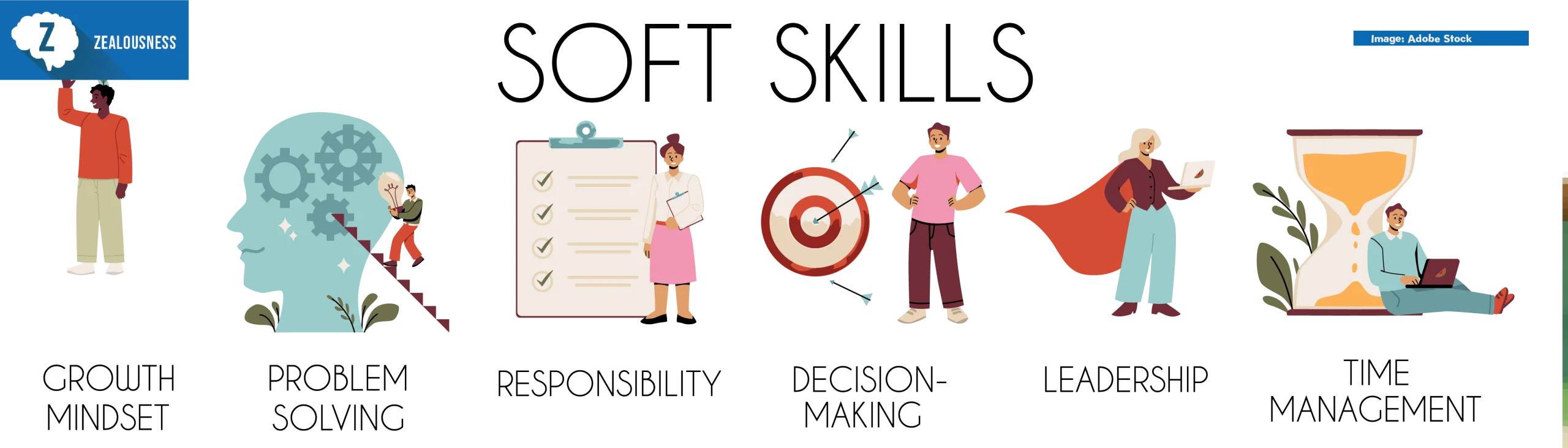
Leadership development is often imagined as vague motivational fluff, but a good workshop is intensely practical. It focuses on the real, teachable skills a manager uses every day: communicating clearly, delegating without micromanaging, giving feedback that actually lands, and handling conflict before it quietly festers into something worse.
Just as important, workshops give people a safe place to practice. Trying out a difficult conversation in a workshop is far less costly than fumbling it live with a real employee who remembers it for months. Participants leave with specific tools and the confidence to use them, rather than a vague sense that they ought to lead better somehow.
Why Training Beats Learning It All the Hard Way
Left to figure it out alone, new leaders learn by trial and error, and the errors are expensive. Every mishandled review, unclear brief, or avoidable conflict costs the team time, trust, and sometimes good people. The hard way works eventually, but the tuition gets paid in morale and turnover that never shows up neatly on a budget line.
Structured leadership management training short-circuits that painful curve, handing managers proven approaches instead of leaving them to improvise under pressure. A provider like Essemy builds its workshops around exactly these capabilities, so leaders develop the skills deliberately rather than slowly, at everyone else’s expense. It turns leadership from a gamble into something you can actually invest in.
The Payoff Reaches the Whole Team
The benefits of developing your leaders rarely stay contained to the leaders themselves. When a manager improves, the effect spreads across everyone who reports to them, which is where the real return quietly shows up:
- Higher engagement, because people feel supported and clearly directed
- Better retention, since employees leave managers far more often than companies
- Stronger communication that cuts down on confusion and rework
- Faster, more confident decisions instead of constant bottlenecks at the top
- A healthier culture that attracts good people rather than quietly repelling them
Each of these feeds the others. Engaged teams produce better work, good people stay, and the workplace builds a reputation that makes future hiring easier. It all traces back to leaders who were actually given the skills to lead well in the first place.
Signs Your Workplace Is Overdue for It
Some symptoms are easy to miss until you know to look for them. High turnover in specific teams, talented people quietly checking out, repeated miscommunication, or new managers who seem permanently overwhelmed are all signals that leadership capability has not kept pace with the responsibility people were handed.
None of these mean you hired the wrong people. Usually it means capable people were promoted and then left without any support. That is a fixable problem, and spotting it early is the difference between developing your leaders and simply watching your best employees walk out the door one by one.
The Bottom Line
Leadership is not an innate gift that some people have, and others don’t. It is a set of learnable skills, and leadership development workshops are how organizations build them on purpose instead of hoping for the best. Given how much a single manager shapes a team’s results, that is an investment with an unusually clear payoff.
If your workplace leans on people who were promoted into leadership and then left to sink or swim, the smartest move is to give them real training before the cost of not doing so turns up in your turnover. Strong leaders are made, not born, and workshops are where the making actually happens.